
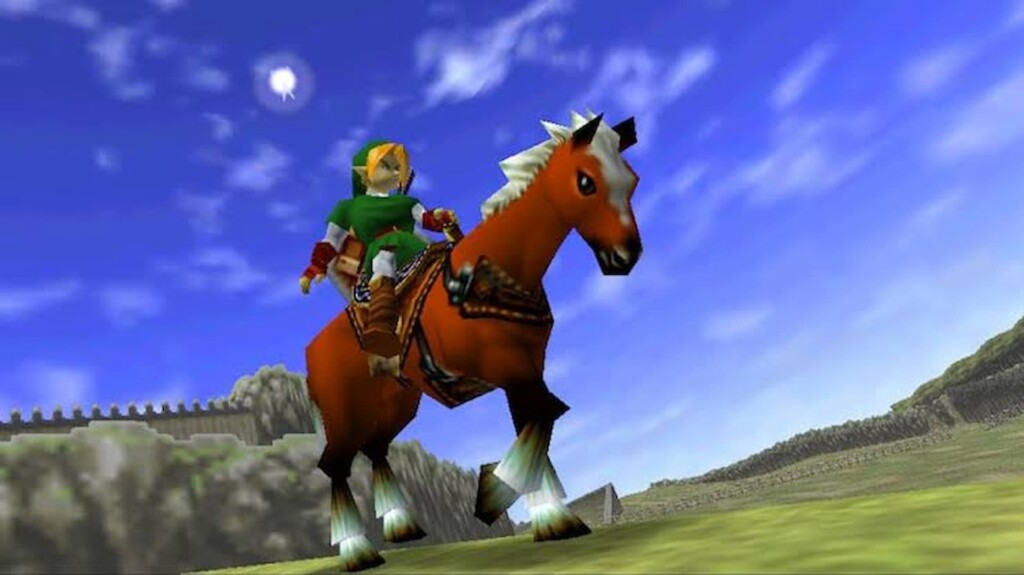
5 Ocarina of Time Mechanics That Changed 3D Games
Ocarina of Time has long been considered one of the best games of all time, which isn’t a surprise given how many games it has influenced. The Zelda title’s combat mechanics and many other elements were revolutionary for the time Ocarina of Time was released, and even many modern games have used it as an inspiration. Here are 5 Ocarina of Time mechanics that changed 3D games.
Z-Targeting
This was and remains one of the most memorable Ocarina of Time mechanics, where pressing Z would allow Link to lock onto an enemy or target. There was another use for this in the original game, as there was no free camera, and Z-targeting allowed Link to focus his view. As for using Z-targeting in combat, it wasn’t just a way to target the enemy, but Link could also then jump attack or dodge using a backflip. The mechanics also allowed the fights to feel more immersive as Link would approach one enemy at a time, rather than trying to slash his way through multiple.
Ocarina of Time’s Z-targeting changed how other 3D games approached combat, as at the time this was a major issue. Nintendo has also continued to refine Z-targeting in newer Zelda games, and even the Ocarina of Time remake will feature the mechanics despite having a free camera. Other popular games such as Kingdom Hearts and Dark Souls have also used similar targeting mechanics, which highlights how influential Z-targeting was and still remains.
Context-Sensitive Actions
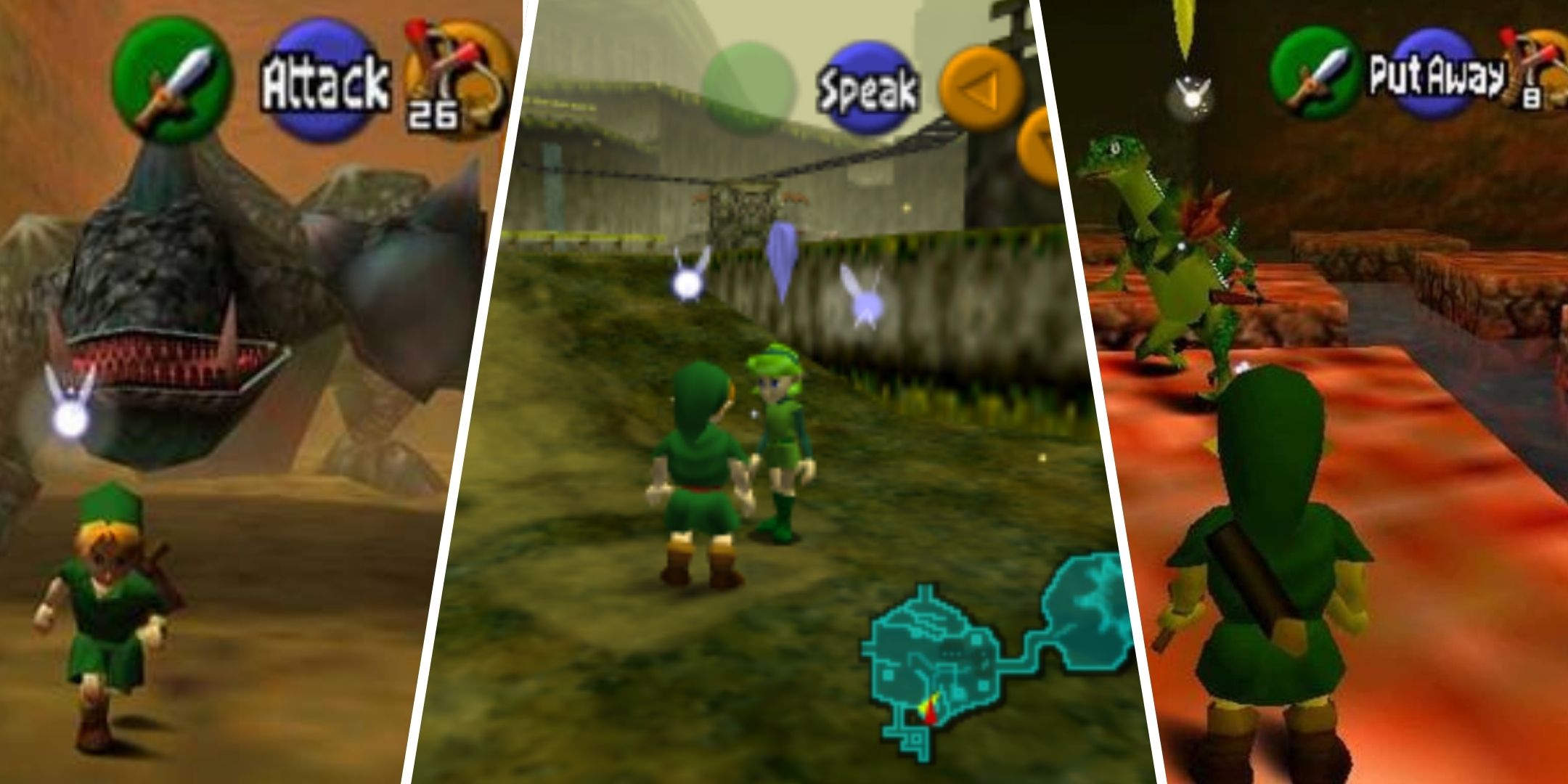
This was an interesting mechanic, which some could argue was both a necessity due to the N64’s controller limitations and also a way to make actions more intuitive for new players. The A button could perform different tasks based on the situation. Link could talk to an NPC, open a door, pick up an item, climb a ladder, or interact with the environment using other appropriate actions. This was a convenience element as well because players didn’t need to memorize multiple buttons.
This simplified control system helped other 3D games navigate the complexity of the environment with a controller that was limited. Modern titles such as Uncharted and Assassin’s Creed use a similar system, where characters can interact with doors, objects, and NPCs without having a different button for each action. Ocarina of Time didn’t invent these controls, and the game was limited in the number of buttons it could use due to its controller, but the one-button design made 3D exploration more intuitive.
Automatic Jumping
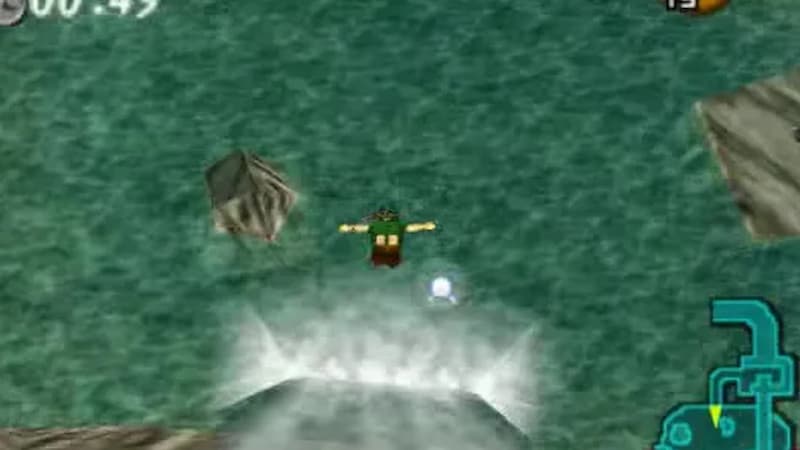
Ocarina of Time originally didn’t have a jump button, which would seem archaic to modern gamers. However, the game design worked in jumps, dives, and similar actions beautifully without needing a dedicated button. Players could focus on moving and exploring, without having to time their jump every time they encountered an instance. This made for interesting moments, as Link would dive into bodies of water headfirst and do a quick jump when needed to cross a ledge.
The Ocarina of Time remake has added a dedicated jump button, but the original game’s design opened up new possibilities for 3D games. Players didn’t control the timing of the jump, and the game handled the movement with an appropriate animation each time. Other games didn’t widely adopt Ocarina of Time’s automatic jump mechanics, but it remains a nostalgic element for Zelda fans because of its convenience, Link’s seamless motion, and the avoidance of complicated jumps.
World Changes Due to Passage of Time
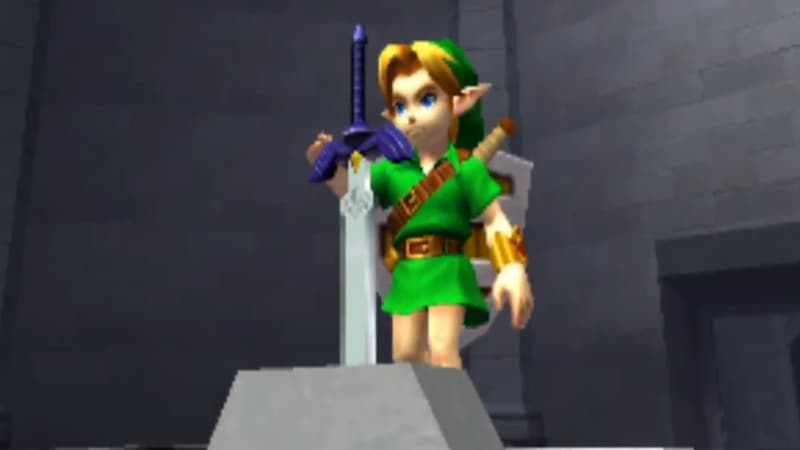
Time is a central element of Ocarina of Time’s narrative, with Link traveling between his child and adult forms continuously throughout the game. Collecting the Spiritual Stones, opening the Door of Time, and pulling out the fabled Master Sword put Link to sleep, as he isn’t ready to wield the blade. The seven years that Link spends slumbering change Hyrule completely, as Ganondorf corrupts the land with his evil. Ocarina of Time’s gameplay uses time as a mechanic rather than a backdrop, as some areas, NPCs, and tasks can only be completed in one form.
The easiest example of Ocarina of Time’s time mechanics changing 3D games would be the Zelda title’s sequel, Majora’s Mask. Ocarina of Time sees Link time traveling to collect items or complete activities, while Majora’s Mask completely relies on a three-day cycle, which is reset, and Link relives the days again and again until he completes his quest. Other 3D games have used the idea of time influencing the world, but the two Zelda titles turned time into a gameplay mechanic.
Music as an Interactive System
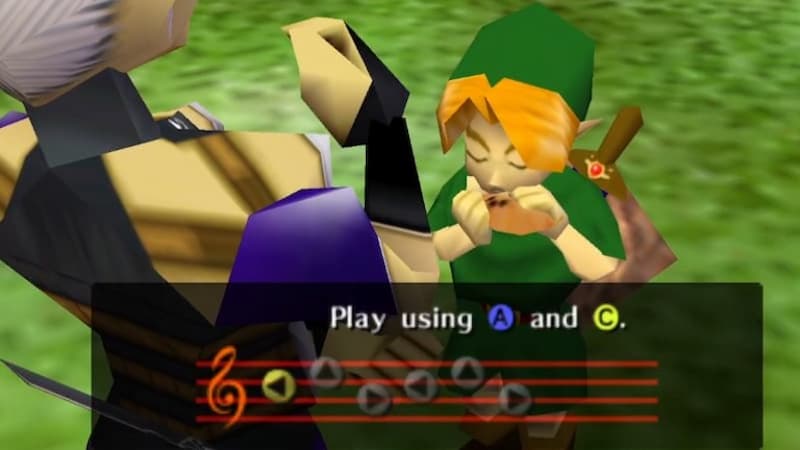
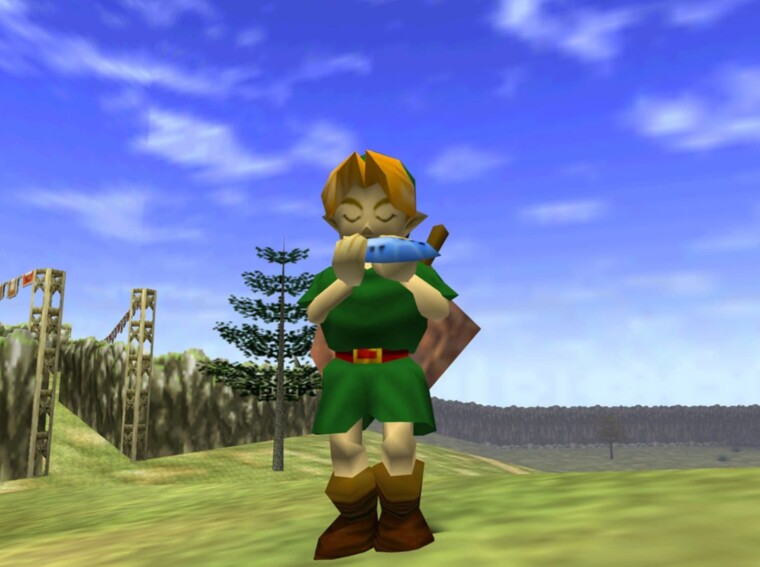
Music is a crucial element in Ocarina of Time, with some songs being required to advance in the game and others affecting the environment in different ways. Zelda’s Lullaby is the first song Link learns, and it’s crucial for opening up doors and other progression elements. The Sun’s Song can change the time of day, while the Song of Time can open the Door of Time and also remove certain obstacles. Link’s handy ocarina isn’t just a fun instrument; instead, the game uses it as an important mechanic.
The ocarina being a gameplay item rather than just a collectible or part of the narrative changed how musical instruments were treated in games. Ocarina of Time tied the ocarina to puzzles, exploration, and progression. Future Zelda games also expanded on using music as an interactive system, with Majora’s Mask offering different instruments based on Link’s various forms. The Wind Waker allowed Link to control the wind and perform other actions using the baton.