

10 Things the Ocarina of Time Remake Changes from the Original
Fans have finally got their first look at the Ocarina of Time remake’s gameplay during The Legend of Zelda’s 40th Anniversary Direct, and several things have stood out. The biggest things that Nintendo stated and fans noticed were that while elements have been modernized, the remake is striving to remain faithful to the original. Despite this, Nintendo has added or changed several things in the game. Here are ten major changes that fans will see in the Ocarina of Time remake compared to the original game.
Ocarina of Time Remake Changes Link’s Movement
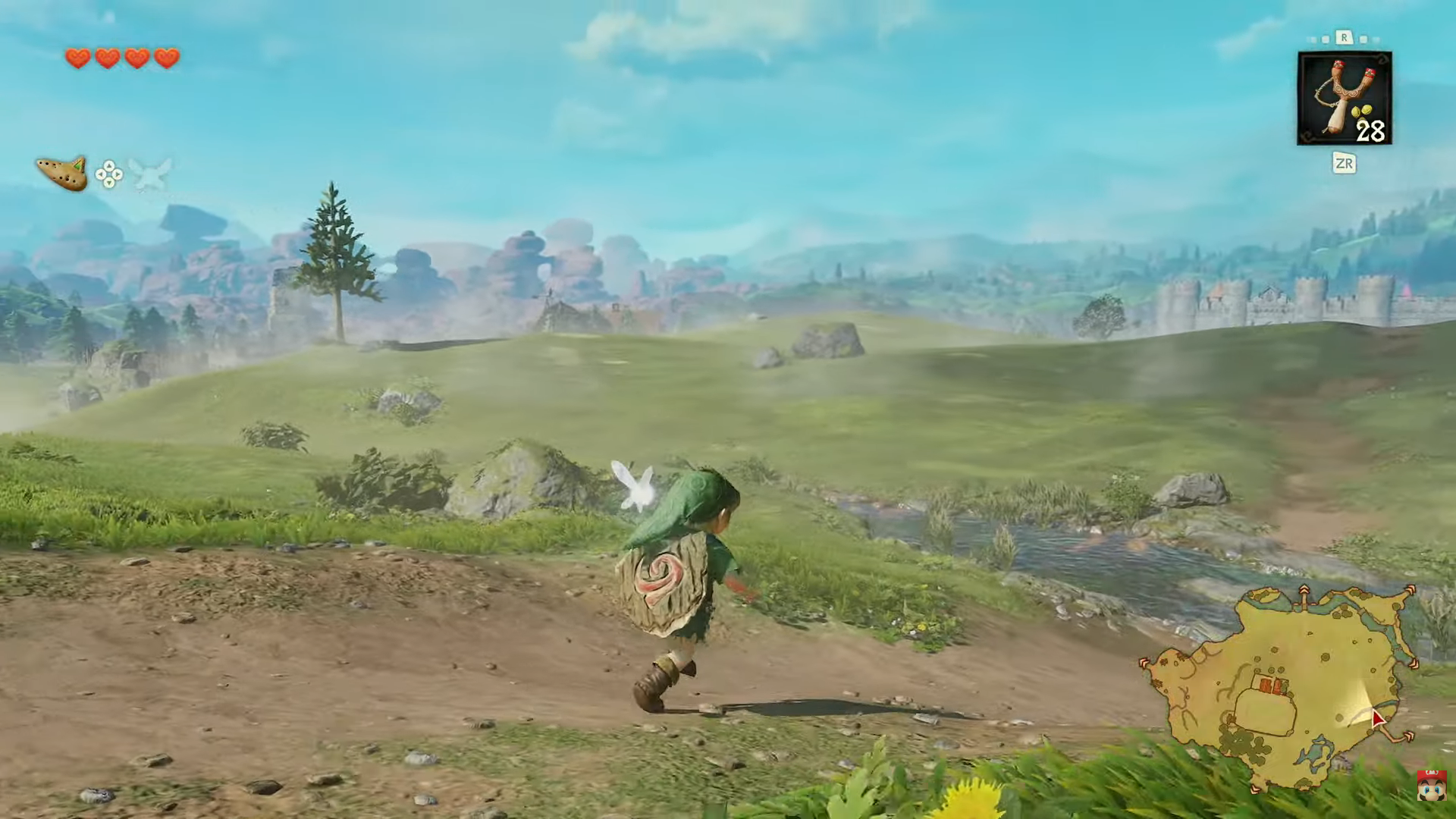
This may be the biggest change visible for OG Zelda fans, as the remake changes how you travel, swim, and even look at the world around you. Ocarina of Time was limited to one joystick on the controller, which made it impossible for players to look around while moving Link. The remake has a modern controller, which allows for a free camera, even when Link is stationary.
A memorable part of the original Ocarina of Time was for players to roll to speed up Link, but the remake has mechanics that will make Link faster. You can dash across Hyrule Field or while traveling from one location to another. Swimming has also been streamlined, and Link can swim faster when needed.
The Ocarina Can Be Played with Your Voice or by an Instrument
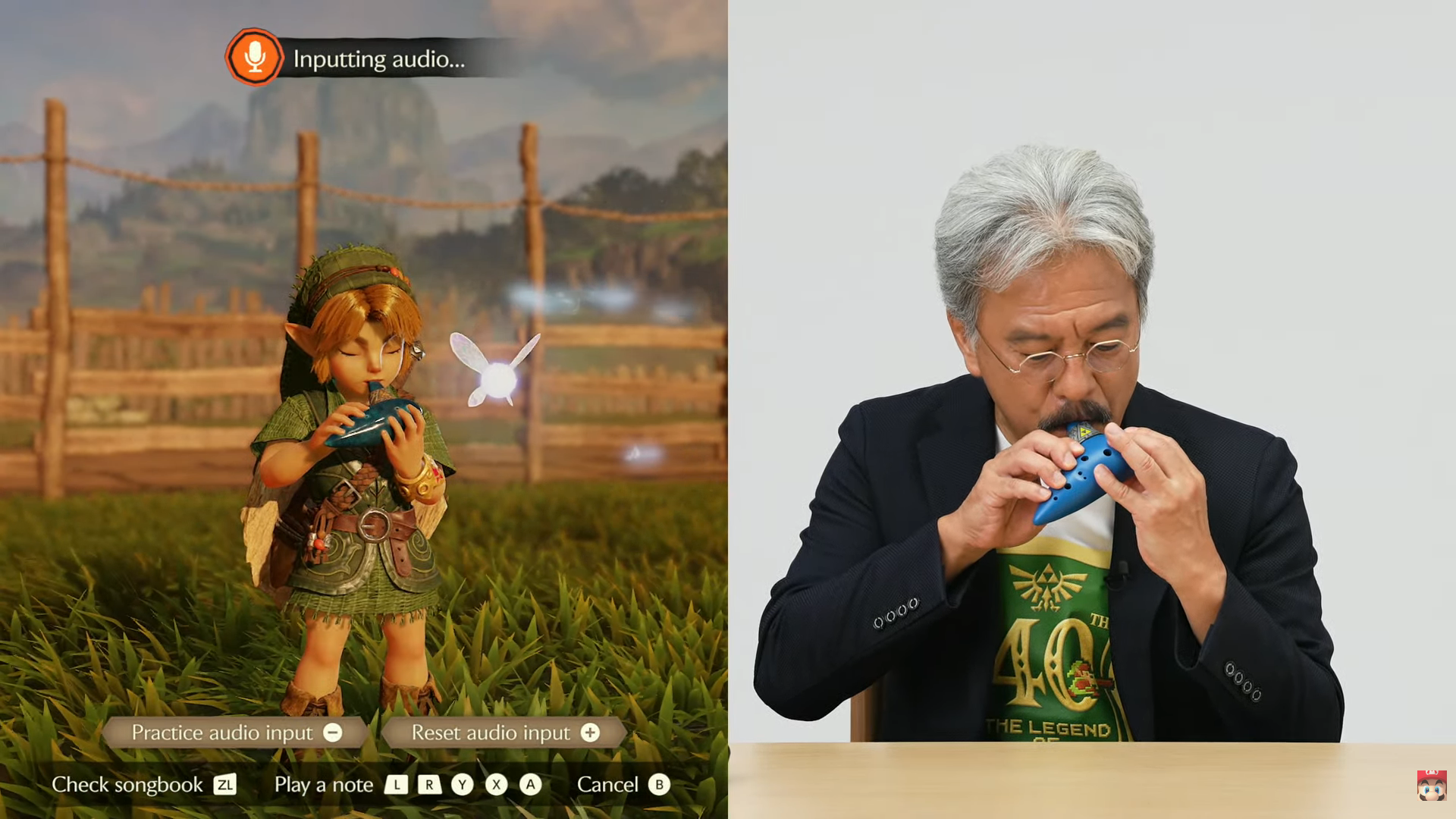
This is a unique addition that can change how players use the ocarina while making the remake more immersive. Originally, players equipped the ocarina and pressed buttons, which would register notes and play the songs. The Ocarina of Time remake allows players to use their microphone and hum the songs, which will have the same effect as using buttons.
Nintendo also showcased an ocarina that will go on sale, and players can use it to actually play the song themselves, and the game will register it. The remake doesn’t change how the in-game ocarina or songs work, but gives players more options as to how they can play the songs, adding to the immersion.
Threads of Time
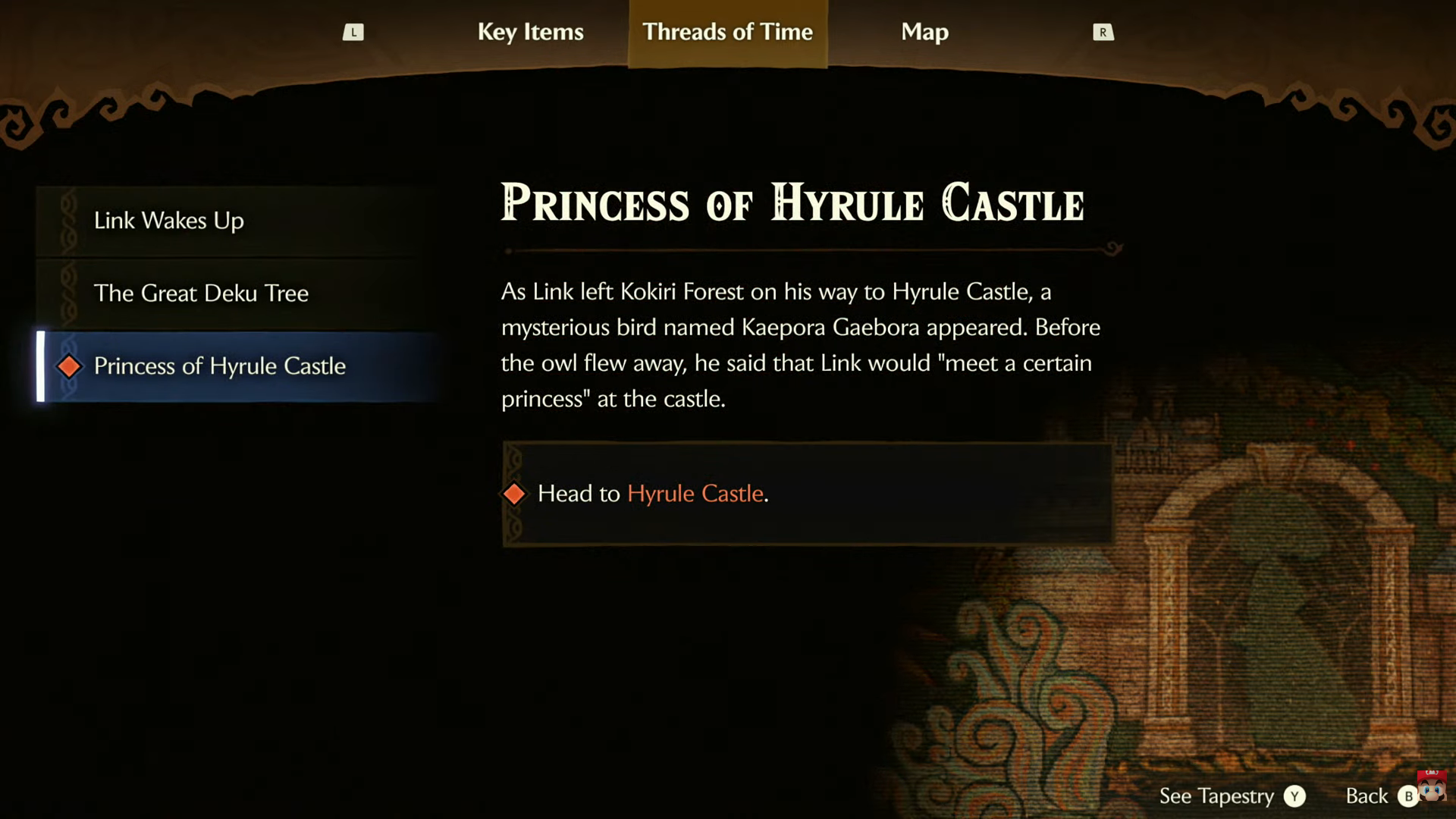
This is a completely new system, which players can access to see their progress and what they have to do next. It’s displayed as a tapestry, which continues to fill in as you play and progress in the game. This is a major addition, as the original Ocarina of Time tasked players with remembering what they learned from NPCs, where they were supposed to go, and other objectives.
While this was easy if you were completing a single quest, it could become challenging if you wanted to explore or complete side missions as well. The fun part about the tapestry is that it’s dynamic, as players can watch it become more full as they advance in the game. This makes the system both a navigation tool and an artistic element.
The World Has Expanded and Become More Modern
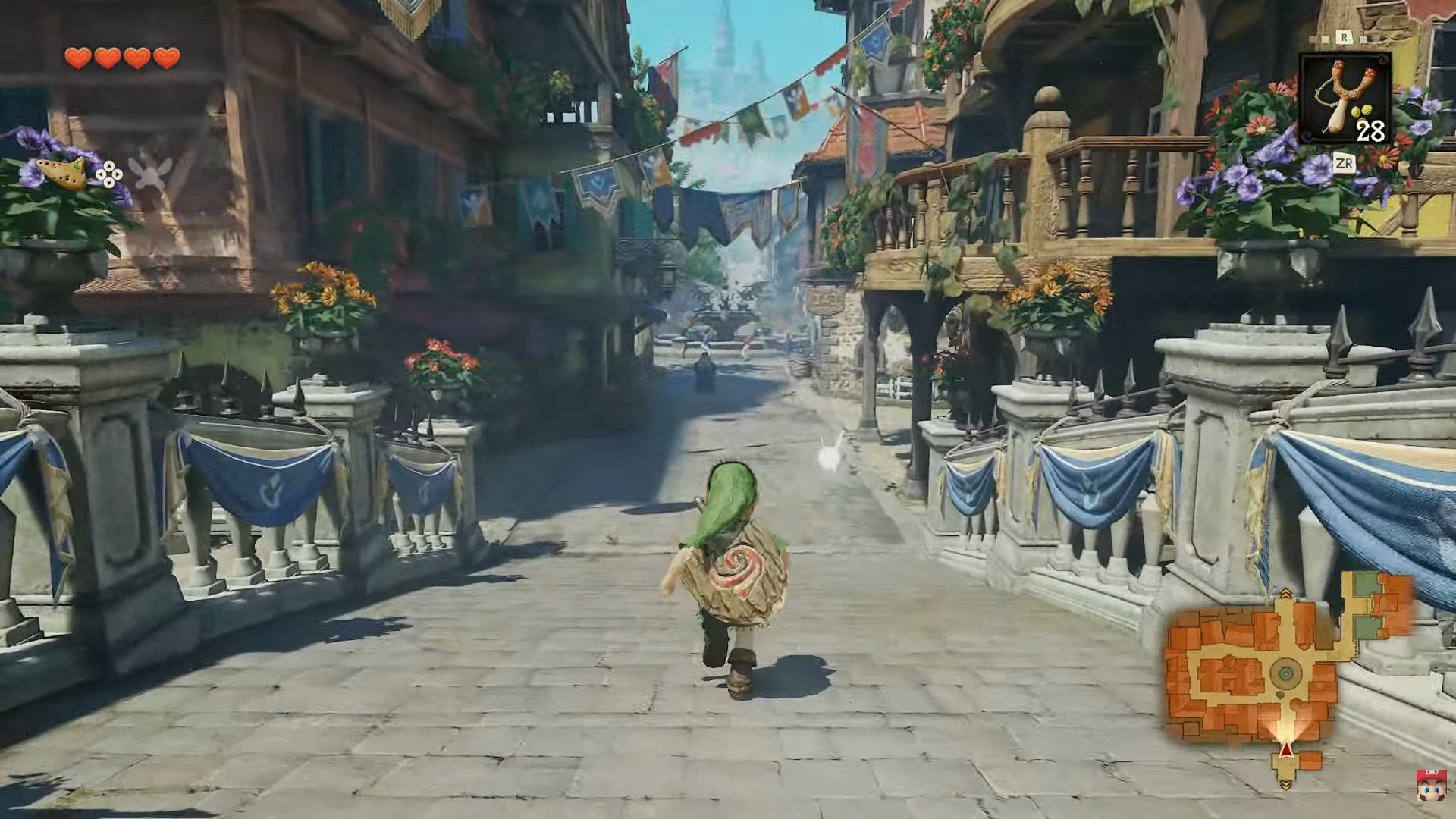
This is a major and expected change, as players were already sure that Nintendo would change the in-game world substantially in the Ocarina of Time remake. Fortunately, Nintendo has stayed true to the original game and modernized things without changing its essence. Kokiri Forest and Hyrule Castle Town were the two extensively showcased locations during the gameplay.
Kokiri Forest looks completely different, with the layout appearing more modern than the original location. While the structure of the forest may be the same as the original game, Nintendo has added significant details to make it feel more distinct. Hyrule Castle Town has also been expanded sufficiently, with some of the backdrops also being incorporated as accessible elements.
Nintendo stated in the trailer that players can visit Castle Town for gossip and mini-games to unwind. While other locations weren’t shown extensively, the new Ocarina of Time remake trailer shows a quick view of some of the areas, and they appear to have been changed significantly.
NPCs
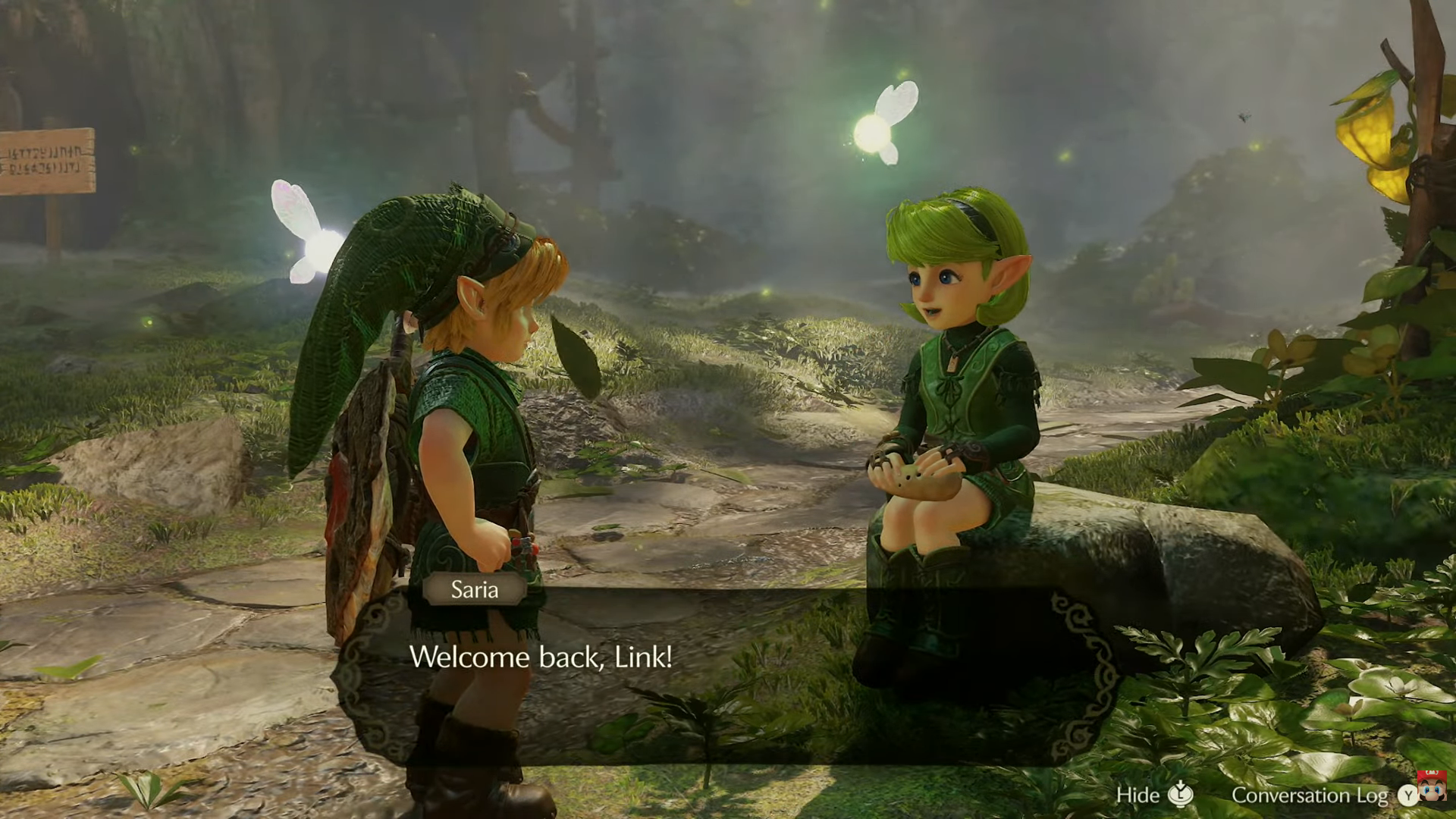
The Ocarina of Time hasn’t turned into a modern RPG, but the remake changes NPCs significantly. Nintendo has added more personality to the game’s NPCs by giving them more dialogue, so they appear less monotone. NPC models have also been revamped, with Saria being the first highlighted one during the gameplay footage.
Nintendo has also upgraded character animations, which add to their personality, making them feel more realistic. The original Ocarina of Time NPCs were memorable, and players still think of them nostalgically, but adding more personality and changing their models was a must for a modern remake.
Day/Night Cycle Is More Realistic
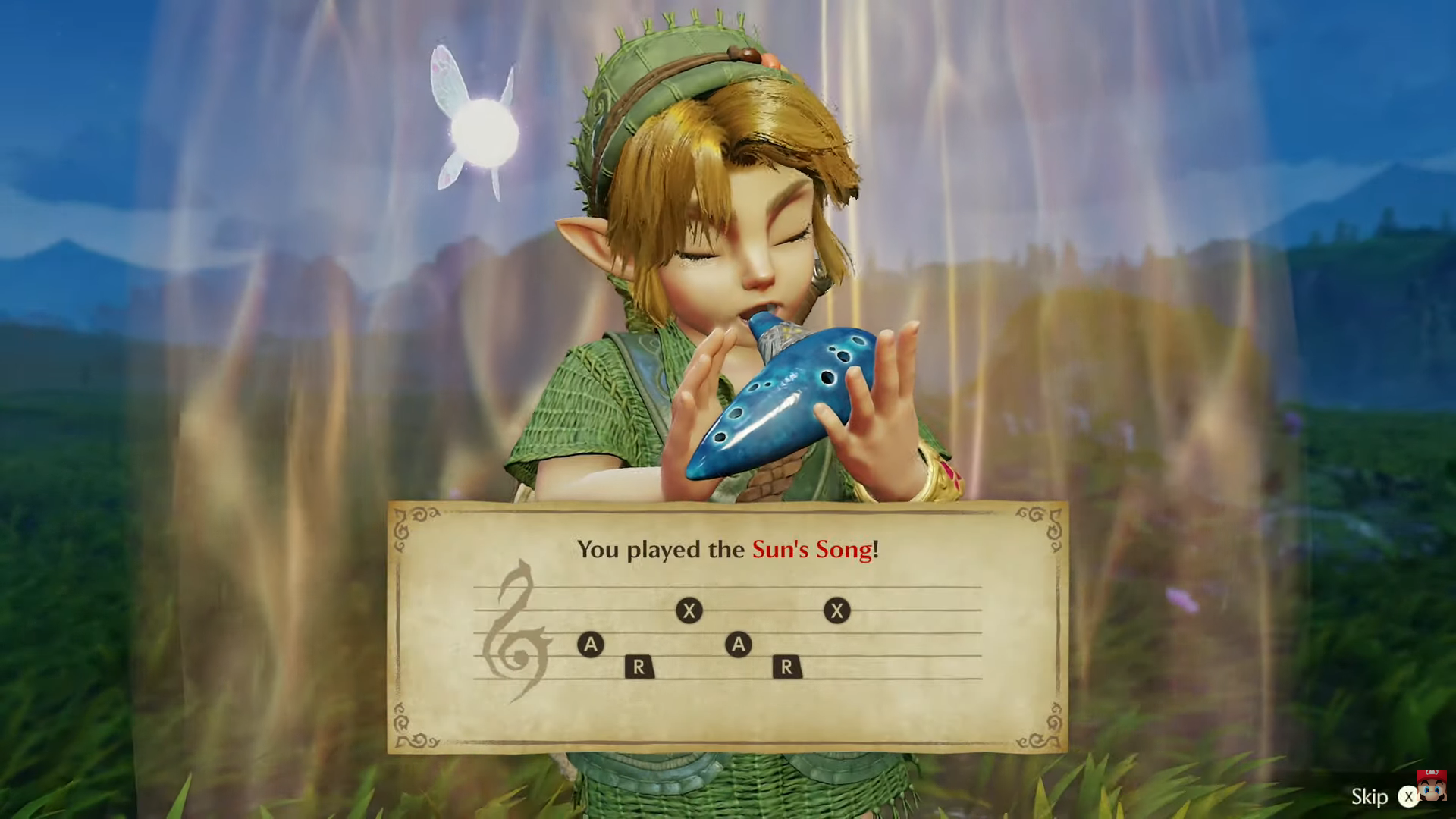
The original Ocarina of Time had a day/night cycle, but time would freeze when Link was inside towns. The Ocarina of Time remake changes this, and time passes regardless of where Link is. Nintendo highlighted this by showing the sun setting while Link was inside Hyrule Castle Town. This makes the game’s time more realistic and adds to the immersion.
However, some events in the game are tied to day or night, which makes this change not just a visual thing. Players will need to keep an eye on the time based on what objectives they have to complete. If they run out of time or need to change, there is no need to wait, and players can play or hum the Sun’s Song.
Loading Screen
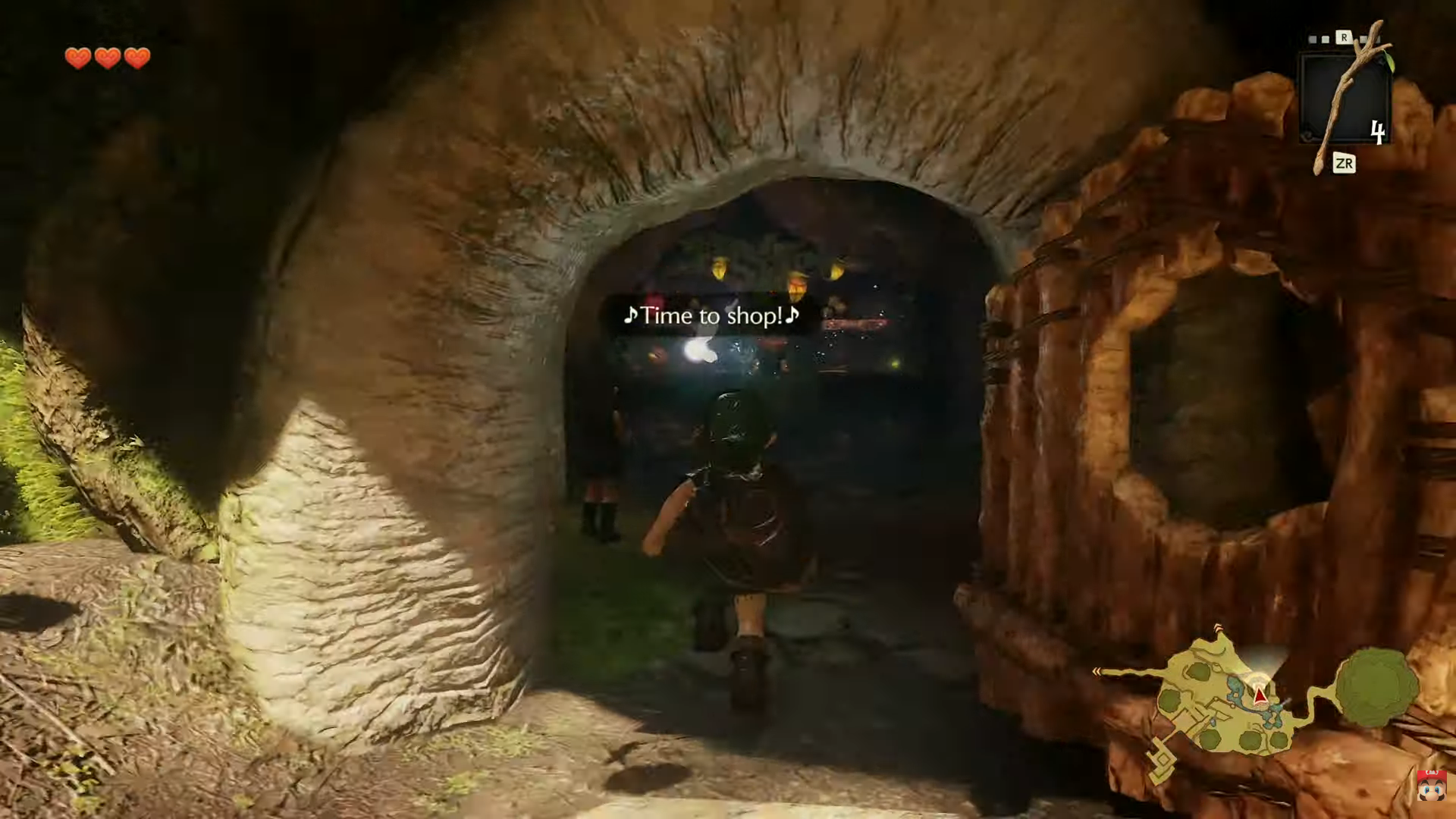
This is another thing many fans were expecting Nintendo to change, as loading screens were really in your face in the original Ocarina of Time. Entering a new location would make the screen go black, and then the screen would load to the new location. The Zelda Direct highlighted that while you are in a particular location, the areas within it are typically accessed without a loading screen.
However, Nintendo stated that certain areas still have loading screens, and the remake doesn’t eliminate them. The developer has apparently done this to preserve the essence of the original game. This statement highlights that Nintendo has done its best to keep the game as close as possible to the original, while modernizing outdated elements.
Combat and Other Controls
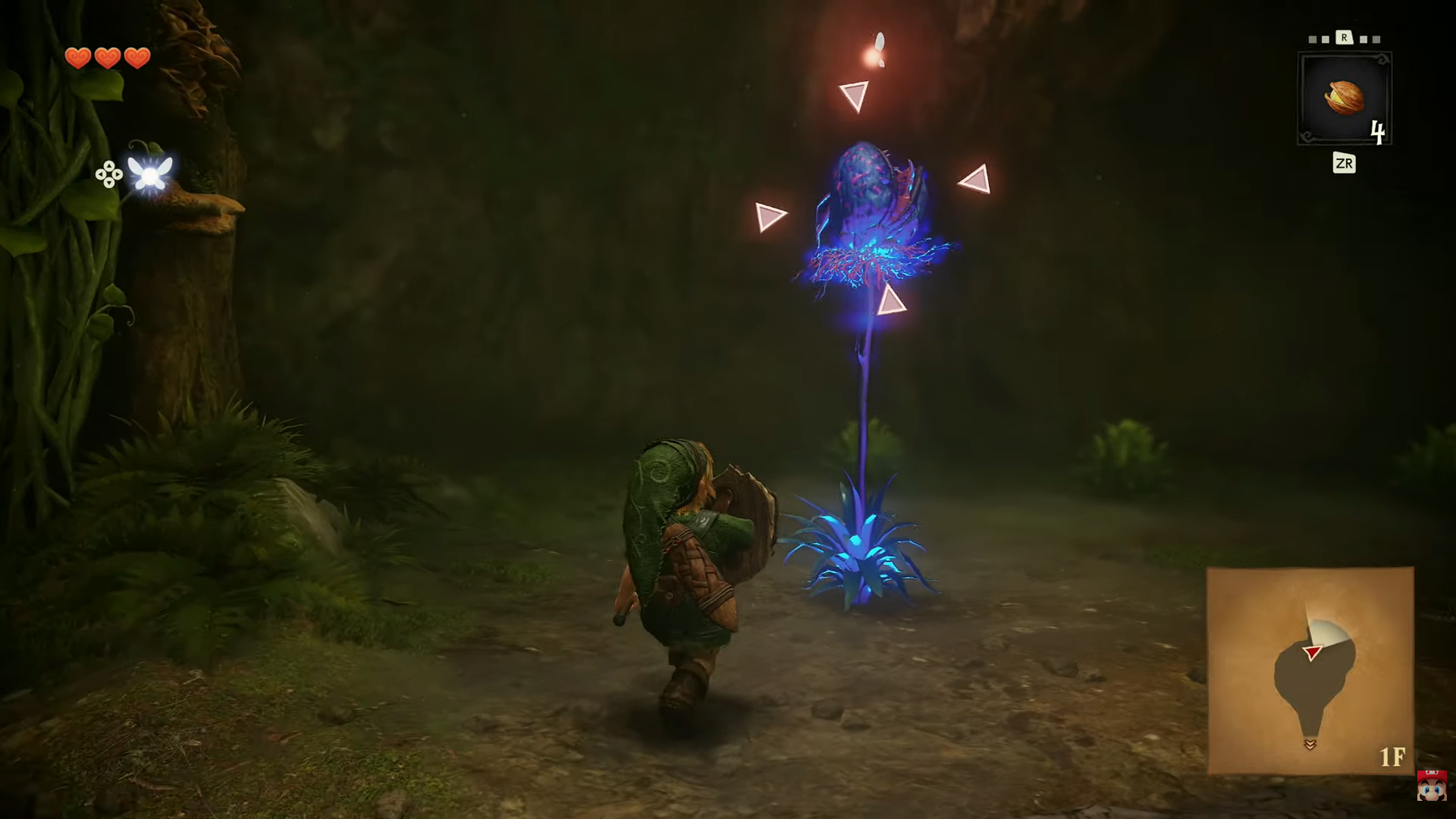
Z-targeting was one of the most influential things that Ocarina of Time introduced to games, and several popular titles have used the combat mechanics since the Zelda title’s initial launch. This is why it was expected by several fans that Nintendo wouldn’t remove Z-targeting, which turned out to be correct, as it was one of the first combat mechanics to be highlighted during gameplay.
However, the combat has still been revamped and feels snappier compared to the original game. Another modern element added to combat is aiming using motion control, which was also displayed in the gameplay footage. Nintendo has changed the combat mechanics sufficiently, but what we have seen so far indicates it hasn’t been completely redesigned.
The remake also features a Quick Swap feature that allows players to swap between items quickly without having to open their inventory. Some players stated that this is similar to how Nintendo changed item switching in the 3DS Ocarina of Time. However, this mechanic will ensure players can speed up changing between items.
Graphics and Audio Changes
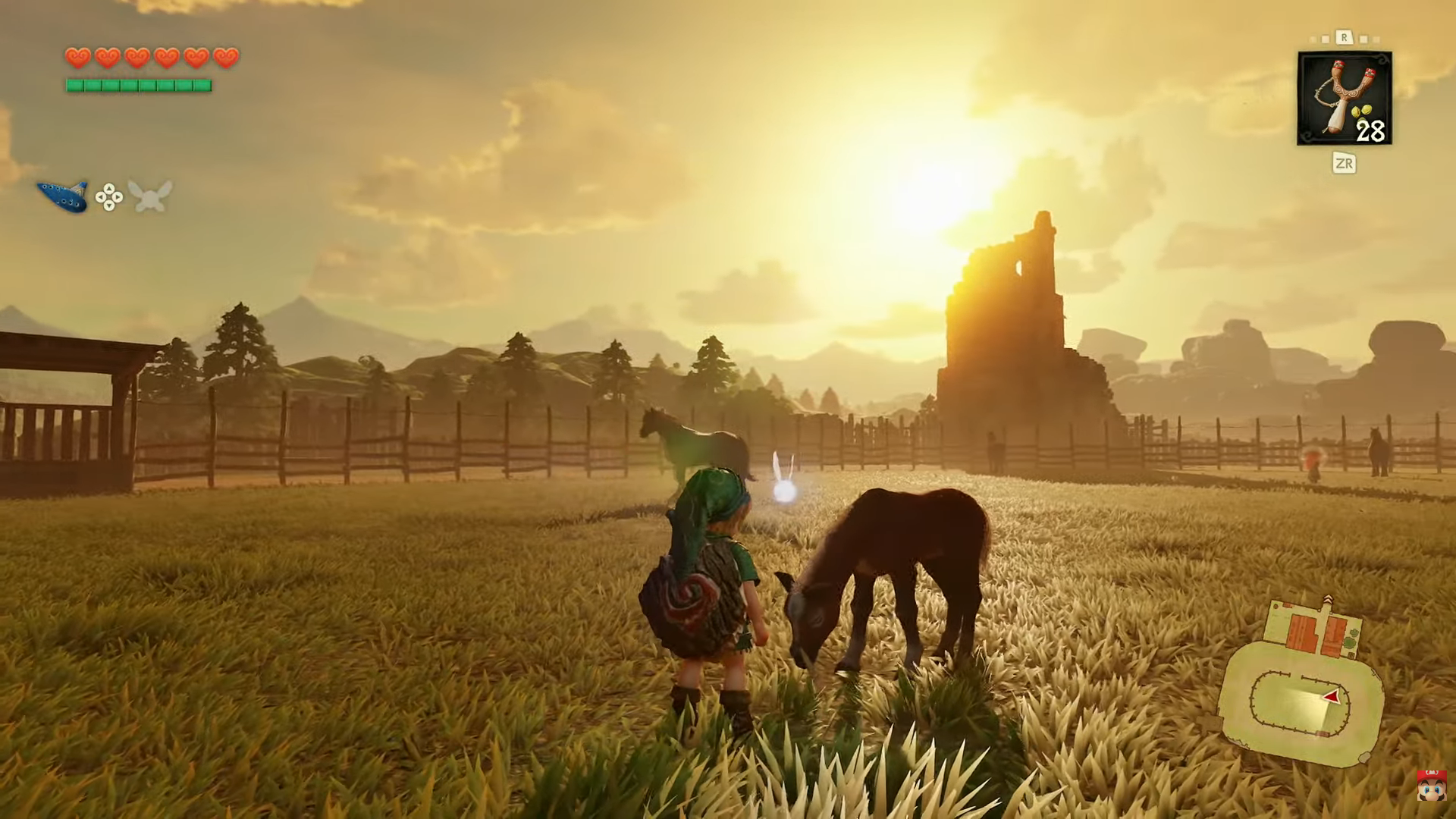
This is another major change that players will see in the Ocarina of Time remake. The game has been completely revamped visually, with Nintendo highlighting Link’s clothing and gear at the start of the gameplay. The texture of Link’s clothing feels realistic, with intricate patterns. Kokiri Forest, Great Deku Tree, Hyrule Field, and other locations that were showcased also feel more modern but keep the nostalgia of the original Ocarina of Time.
The biggest change may be seen in the audio department, as characters Link meets will be fully voiced during the in-game cutscenes. This changes things drastically from the original game, where all the NPCs and Link weren’t fully voiced. Nintendo has also refreshed the in-game music and sounds, and the remake features symphonic orchestral music.
Zelda Notes
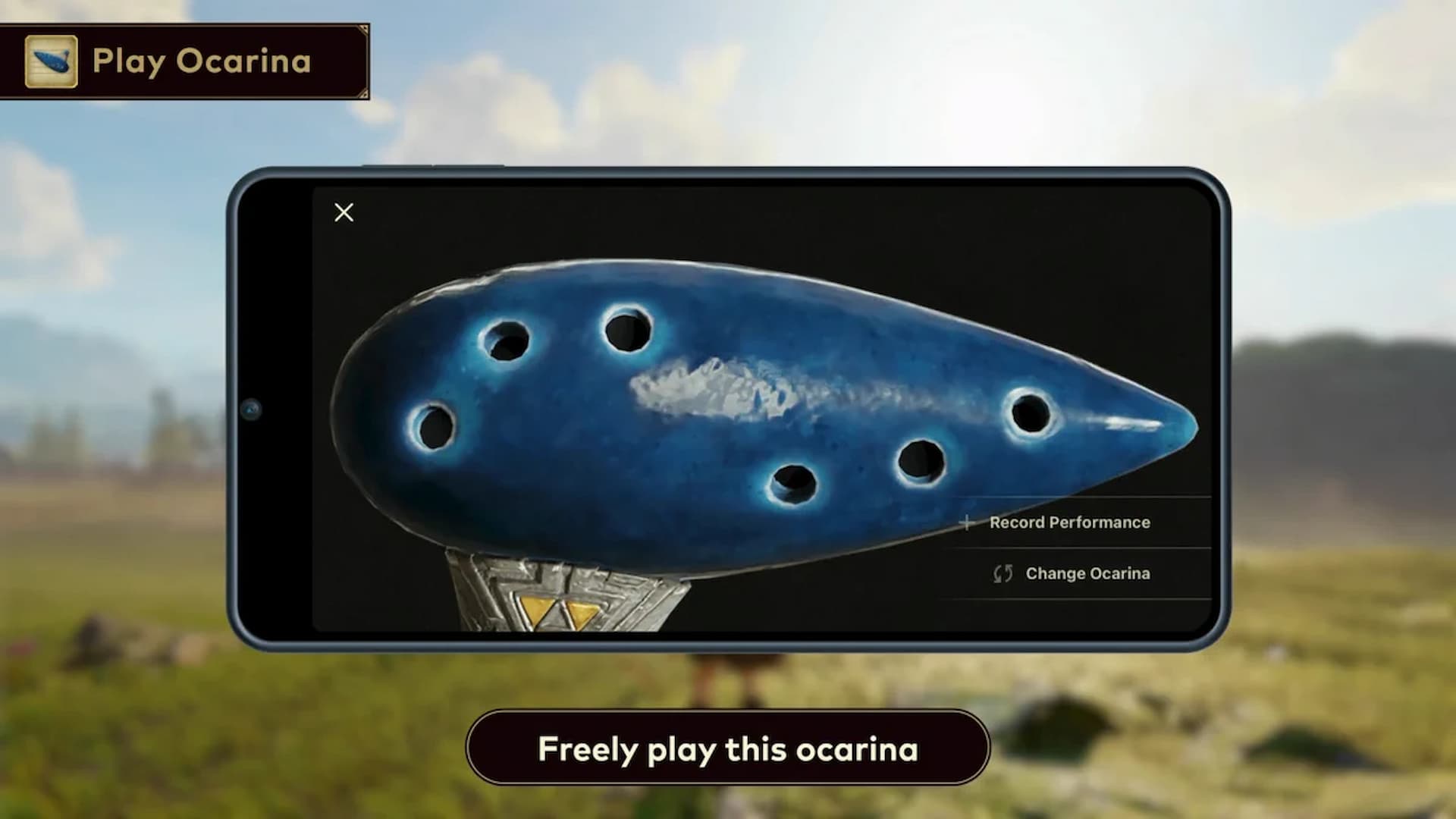
This is an interesting addition that Nintendo is adding to its Switch App. Ocarina of Time will be added to the Zelda Notes feature, and players will be able to do several things using the Switch App. This includes tracking progress for a particular day, completing Gossip Quests, playing the ocarina using the app, and completing quizzes.
Progress tracking will show what you did in chronological order, captured screenshots, defeated enemies, and other stats. Gossip Quests are unique, as the app will give you an image hint, and you will have to find the corresponding location in the game. The ocarina option allows you to play the instrument manually, follow a guide, have the songs played automatically, and more. One quiz can be played for free per day, and players can spend in-game Rupees for additional attempts.