
6 Map Changes in the Ocarina of Time Remake Compared to the Original
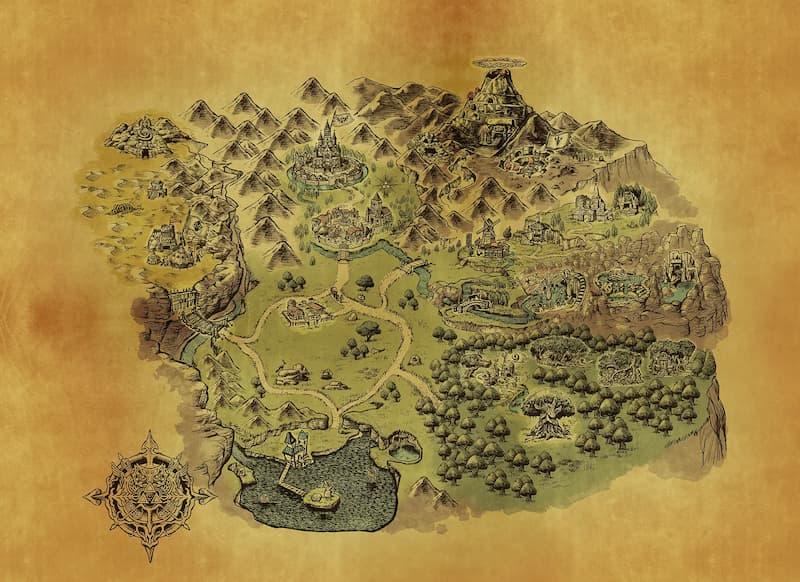
The Legend of Zelda 40th Anniversary Direct gave Ocarina of Time fans their first look at the remake’s gameplay. The footage highlighted how the game has changed, what remains the same, and the revamped areas. The Ocarina of Time remake map has also been officially revealed, which highlights more changes that will be visible in the game.
Kokiri Forest
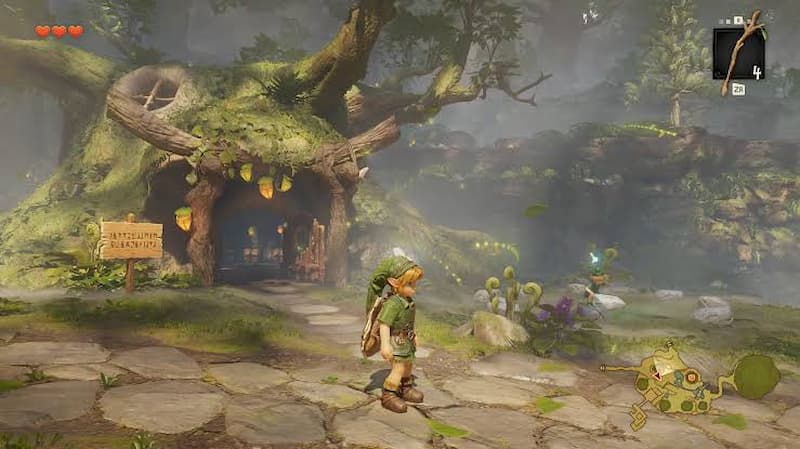
This is the starting location of Ocarina of Time, and it was also the first area shown during The Legend of Zelda 40th Anniversary Direct. In the original game, Kokiri Forest had a large field-like layout, with several houses, a shop, and access to The Lost Woods and The Great Deku Tree. The remake changes things and makes the environment a crucial element. This means both the water and forest elements are more prominent.
Kokiri Forest is one of the more nostalgic locations in Ocarina of Time because it’s where Link wakes up, and his journey starts. Nintendo seems to have made the location more organic, as even the exit looks like a forest, rather than having the original drawbridge. The map and gameplay footage both display that the remake won’t just change the layout, but also modify the area’s geography.
Hyrule Field
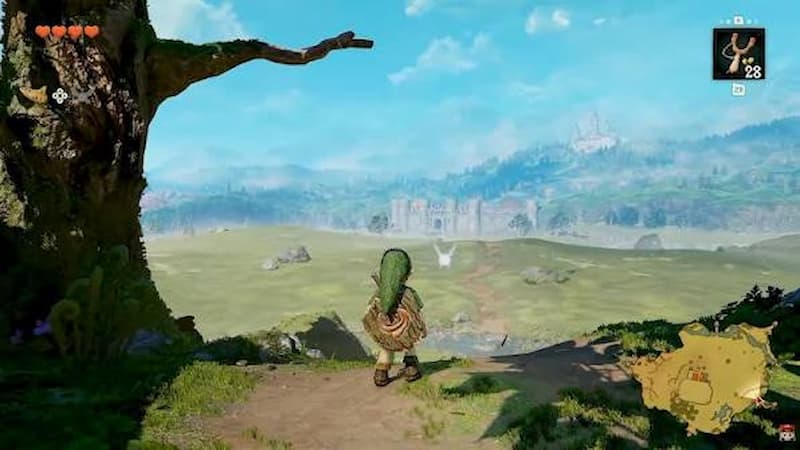
The original Ocarina of Time has a large open central area, which connects all of Hyrule’s locations. Hyrule Field’s layout remains similar in the remake, but there are now more sources of water and elevated or sloped terrain. The Gerudo Valley, Hyrule Castle, Death Mountain, and other areas are also more visible from Hyrule Field. There are also horse carts that can be seen, likely indicating that there will be traveling merchants. The postman was one of the only NPCs outside in the original game.
Fans had already expected to see the nostalgic locations of Ocarina of Time revamped, and the map changes indicate Hyrule Field will be one of the most noteworthy areas in the remake because it is used to travel across the different sections. The location was briefly seen in the Zelda Direct, so all the changes were evident, but the map highlights that the area now has more details.
Kakariko Village
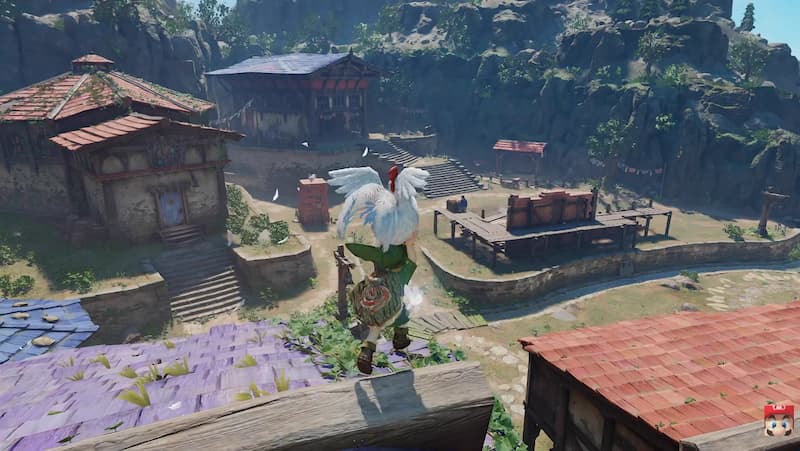
The village of the Sheikah was originally simple, with the well in the center, a windmill, Impa’s house, Cuccos flying around, and several small buildings. The remake appears to have repositioned or redesigned several elements, including adding a stream of water at the back of the village, changing Impa’s house, and adding more wells. Ocarina of Time’s Kakariko Village was a means to get to the graveyard, Death Mountain Trail, and the well.
The remake makes the location more detailed by adding different terrain. Hyrule Field additions were different, as that location was substantially empty in the original game. Kakariko Village’s additions make the remake’s location more modern and believable as a bustling town. This map change is particularly about the layout change rather than NPCs being added.
Ice Cavern
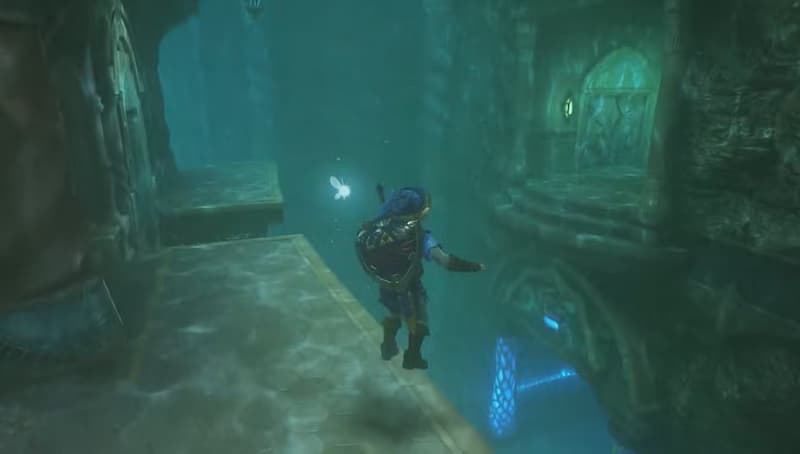
Ocarina of Time’s Ice Cavern was a mini dungeon that Link had to complete to get the Iron Boots, which were necessary to access and complete the infamous Water Temple. The changed map shows a staircase or path leading to the Ice Cavern, highlighting the dungeon more than the original game did. The surrounding environment also looks more detailed, and the Ice Cavern is one of the areas that appears to have received a major revamp.
Nintendo hasn’t confirmed whether the Ice Cavern will have more importance in the remake, but the map changes indicate the area has been expanded in size and is similar to temples. Some fans are speculating whether we will get the rumored Ice Temple instead of the Ice Cavern. This is unverified, but making the location more integrated with Hyrule has many fans hopeful about it.
Zora’s River
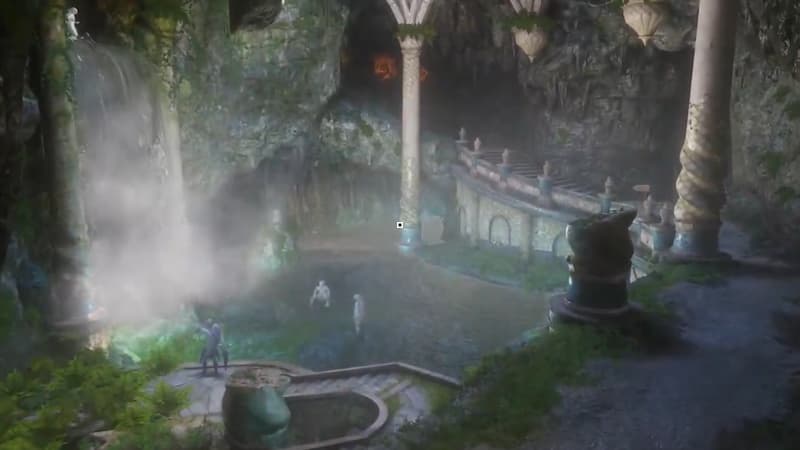
This appears to be a major change, as the original game linked all the areas using Hyrule Field. The Ocarina of Time remake seems to have an expanded Zora’s River that appears to be running through Hyrule Field, Kakariko Village, and Zora’s Domain. If this is true, then Link may be able to access those locations by swimming.
This potential change wouldn’t just be visual; instead, it would allow players more choice in their mode of traversal, making the game more immersive. The original Zora’s River was limited to Hyrule Field and the Zora areas, but expanding it makes the river more realistic. This could also explain why all the locations have more water sources as a geographical element.
Hyrule Castle Town
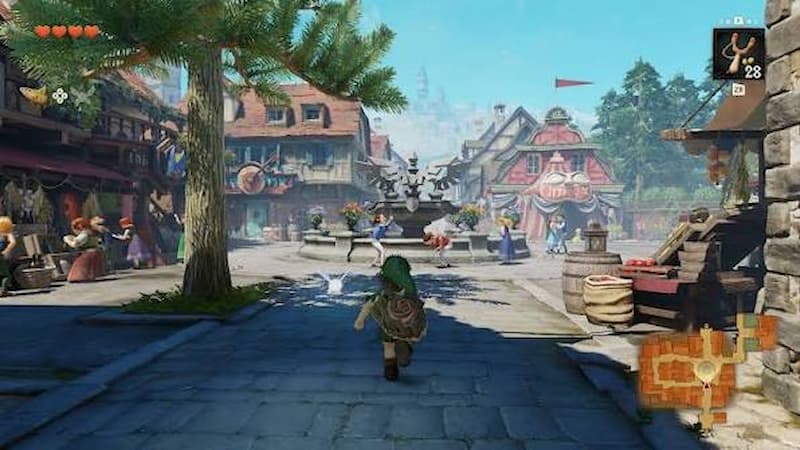
This is another crucial map change that Nintendo even showcased during the Zelda Direct. Hyrule Castle Town has been expanded significantly, with more detailed NPCs and buildings. Nintendo said it will be an area players can come to cool off by playing mini-games and hearing ghosts. Another thing that the map indicates is that there is an area after Hyrule Castle Town but before the Castle itself.
It’s unclear whether there is another town there or if players will be loaded into Hyrule Castle directly. Castle Town is supposed to be the most lively place in the game, and the remake appears to be giving it that expansion. The nostalgic location hasn’t been changed drastically; instead, Nintendo has added elements that make the town more realistic.