
Ranking Every Animal Crossing Game
Many Japanese fans will say that Animal Crossing started with Dōbutsu no Mori on Nintendo 64, and the global version arrived with the GameCube release. Despite that, there is no arguing that Animal Crossing has become one of Nintendo’s biggest franchises. The game started with a simple but catchy formula that was expanded by adding new features over the years. Here’s every Animal Crossing game ranked.
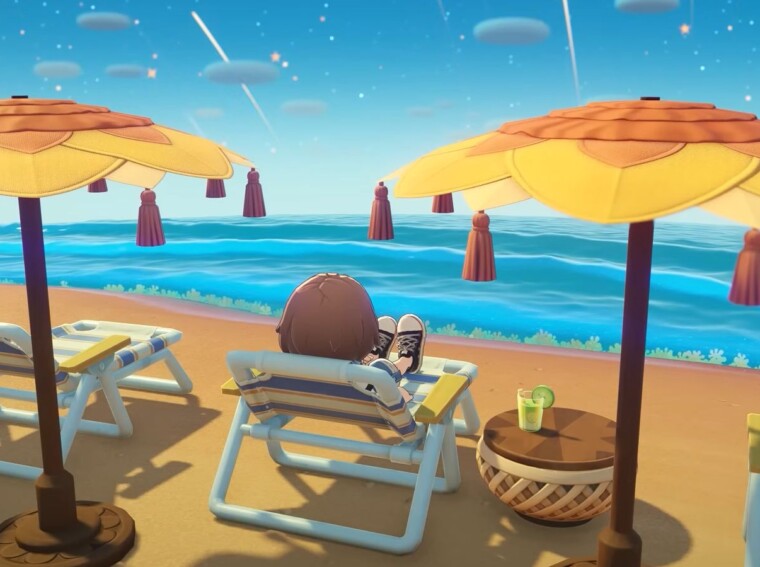
Animal Crossing: New Horizons
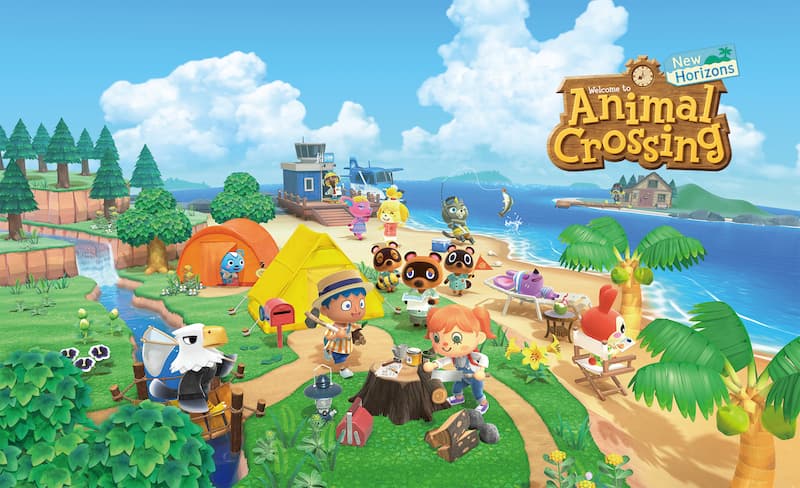
New Horizons is one of the newer entries in the franchise despite changing several things from the original game and formula. The title introduced new features such as terraforming, crafting, outdoor furniture, and more. Animal Crossing before New Horizons was a simpler daily life simulation, where you were decorating homes and managing your town. New Horizons expands by letting you modify the entire island.
New Horizons also offered a stellar multiplayer experience and helped give it a social identity, where players could visit islands, trade, and even share individual designs. This entry in the franchise helped New Horizons go from a simulator to a full-blown sandbox. It’s also likely why New Horizons is still one of Switch’s most popular titles.
Animal Crossing: New Leaf
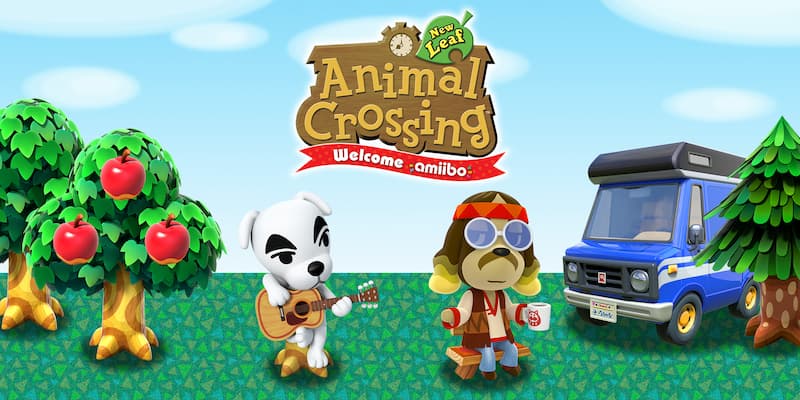
New Leaf is a mix of the modern and classic Animal Crossing experiences. The player is given more control of the town, as they are the mayor. This means you can handle public works projects, town ordinances, tours, and more. While this entry expanded and made the gameplay more modern, it didn’t deviate from the essence of Animal Crossing.
New Leaf is relatively older compared to the newer titles, but its mix of progression and control over your town makes it one of the best games in the series. The game also keeps the daily gameplay where you are trying to better your world, and you get more liberties as the mayor rather than being limited to just your house or certain island elements.
Animal Crossing: Wild World
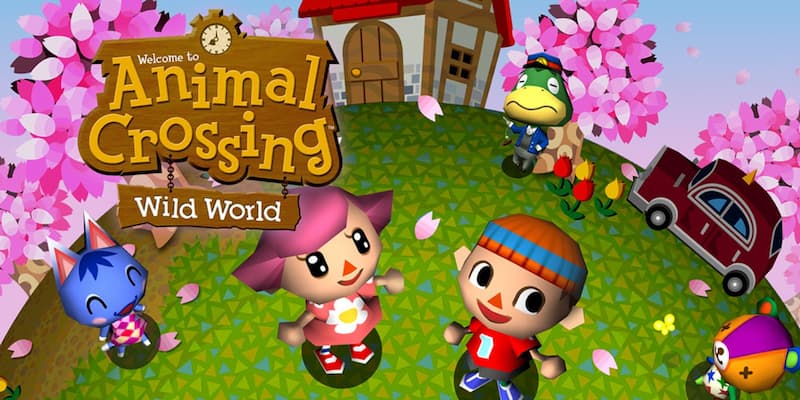
Wild World was released for the Nintendo DS, making Animal Crossing available on a portable gaming device. The entry also added online functionality through the Nintendo Wi-Fi Connection and allowed players to interact with others. This social element was a strong feature, as it allowed you to visit other towns and utilize other multiplayer elements.
Wild World may be older than the other titles, but it’s ranked higher because of the ability to play it without having to be home and have your console plugged in. The game’s uniqueness was the ability to play on the go alongside other players in multiplayer.
Animal Crossing
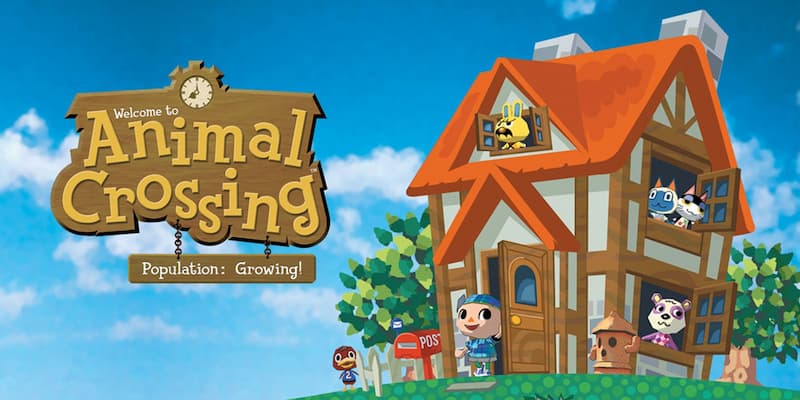
The original GameCube Animal Crossing that launched the franchise globally is still a worthy title. The game created a formula that brought other titles in the series. Players had a real-time clock, debts, animals, and events tied to real-world dates. The game may be outdated compared to the modern titles, but if you have a GameCube, it’s worth a try.
Animal Crossing obviously isn’t the best in the list, as the other titles have refined and expanded on the formula that made the game popular. The game lacks things such as quality-of-life improvements, but Animal Crossing is still ranked strongly because there would be no franchise without it.
Animal Crossing: City Folk
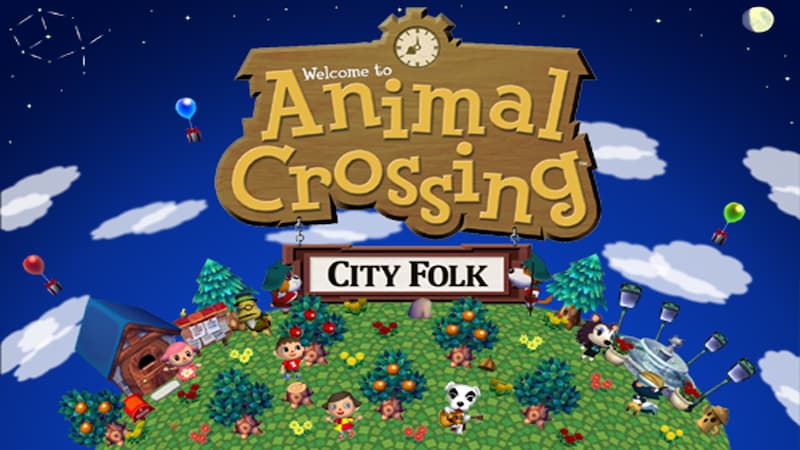
City Folk was an ambitious entry in the Animal Crossing franchise, as it added a city area. The new location introduced new shops, and Wii Speak support so players could talk to each other in multiplayer. However, despite these additions, the game didn’t have as much impact as the other titles in the series.
This is mainly because while the game added a new area and voice feature, it didn’t expand or introduce anything dramatic to the series. The additions were more like improvements than major features. City Folk is still a good game to play, but most fans may prefer the titles ranked higher in this list.
Animal Crossing: Happy Home Designer
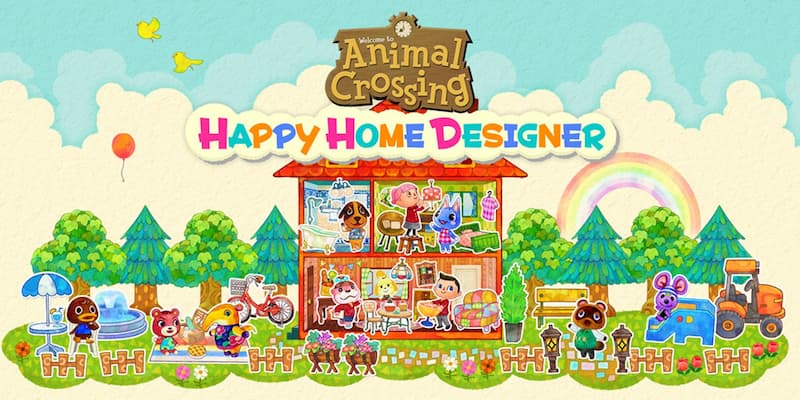
Happy Home Designer deviates from the original Animal Crossing formula, as it focuses completely on designing homes for villagers. There is no town management element, which changes the gameplay significantly. The game does introduce more extensive interior designing tools, but there is no daily life simulation.
Happy Home Designer was also the first title in the series to support amiibo cards. The cards can be used to bring villagers into the game and create design requests. Happy Home Designer is ranked lower compared to others because it takes too many liberties, moving away from the life simulation.
Animal Crossing: amiibo Festival
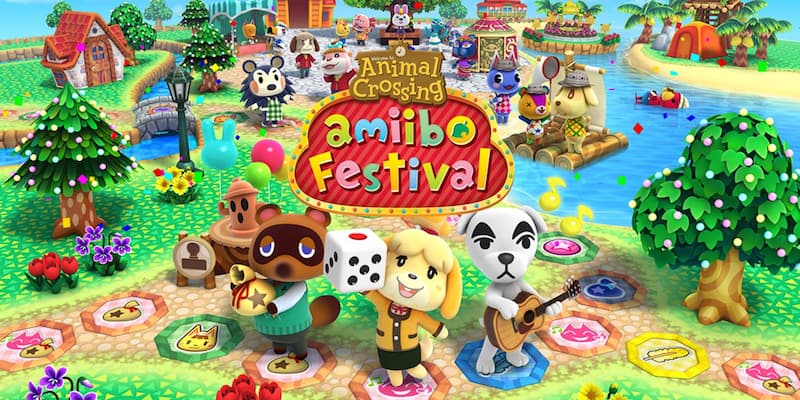
amiibo Festival is the lowest-ranked Animal Crossing game because it completely abandoned the life simulation gameplay. It was released for Wii U and turned the gameplay into a board game. Players had to use amiibo figures and cards for many elements, which changed the game too much from other titles in the series.
The game was similar to a party game rather than offering platforms to build a town and interact with villages. While it may be a good title to try, it likely won’t meet expectations if you prefer the original Animal Crossing formula.