

How 20 Years of Chasing Pixels Led to the Rise of Cozy Gaming
In the past five years, we’ve seen the cozy genre burst into the mainstream in a dazzle of pastel and puppy ears. Forty three games with the ‘cozy’ tag were released on Steam in 2021; last year, that number rocketed to 870. Colourful and heavily stylised, compact in scope and unapologetically prosocial, cozy is antithetical to the ‘more is better’ mentality that’s driven every major gaming trend for the past 20 years, so it’s not hard to see why the genre’s ascent might signal a cultural revolution in gamer tastes.
Yet cozy’s rise isn’t just a convenience of timing, nor is it pure coincidence. If we trace back through the last two decades of gamesmaking, it becomes clear that the cozy game boom was an inevitability that’s been years in the making.The 7th generation of consoles (PlayStation 3 and Xbox 360) released in the mid 2000s and was a massive technological leap for a number of reasons. New optical media like Blu-Ray had greater storage capacity, enabling higher-fidelity audio and graphics to a level previously impossible; consoles transitioned to multi-core processors for the first time with the Xenon chip (X360) and the Cell Processor (PS3), increasing computational throughput; and bigger, faster RAM greatly reduced the memory bottlenecks of the 6th generation.
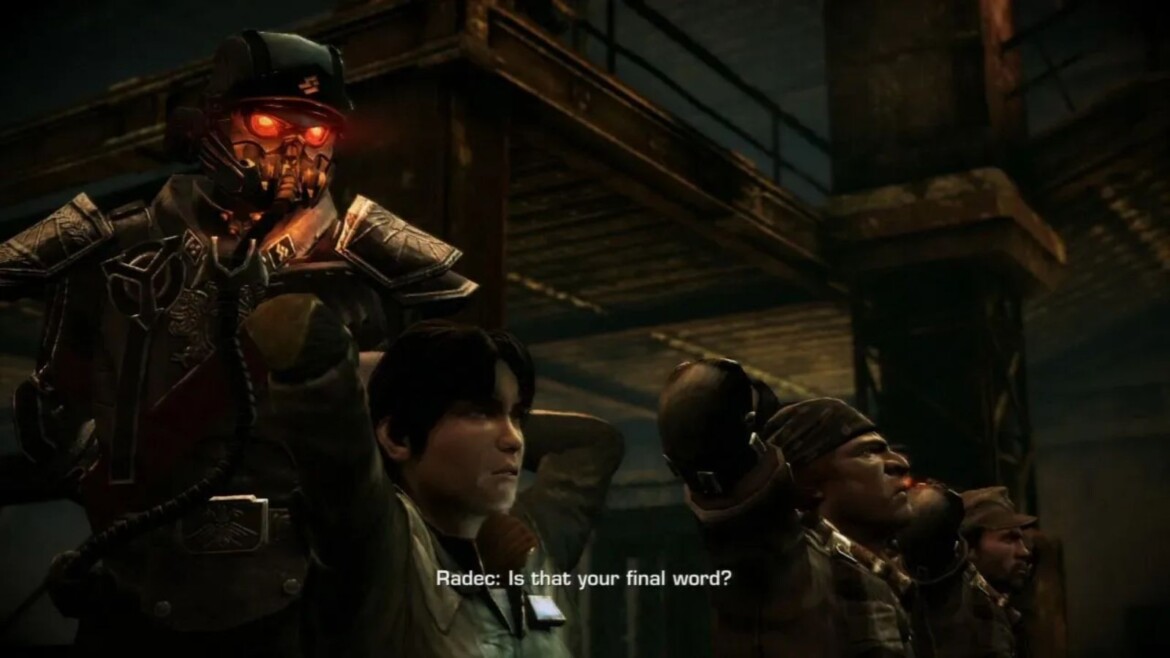
This was a big deal for studios. Making polished, high-quality graphics was painstaking, time-consuming work. The technical limitations of the time meant artists had to rely on perceptual tricks to appeal to gamers playing on underpowered hardware. To get around the lack of complex real-time lighting, they manually tailored lightmaps to give scenes atmosphere and depth. Texture painting techniques were developed to fake geometric complexity, simulating specular highlights and intricate shading. With the the technical advances introduced in Gen 7, suddenly the limitations that stifled the creation of art assets were gone or reduced.
At the same time, marketing teams and the media excited consumers by highlighting, again and again, the raw power of the new tech. This was nothing new—people have been obsessing over tech forever—but conversations never had such detailed, specific vocabulary. Where discussions around older consoles focused on hazy buzzwords like ‘bits’ and ‘Blast Processing’, gamers in the 7th Gen were using precise tech terminology—pixel counts, TFLOPS, die sizes, frame rates, bumpmapping, ambient occlusion.
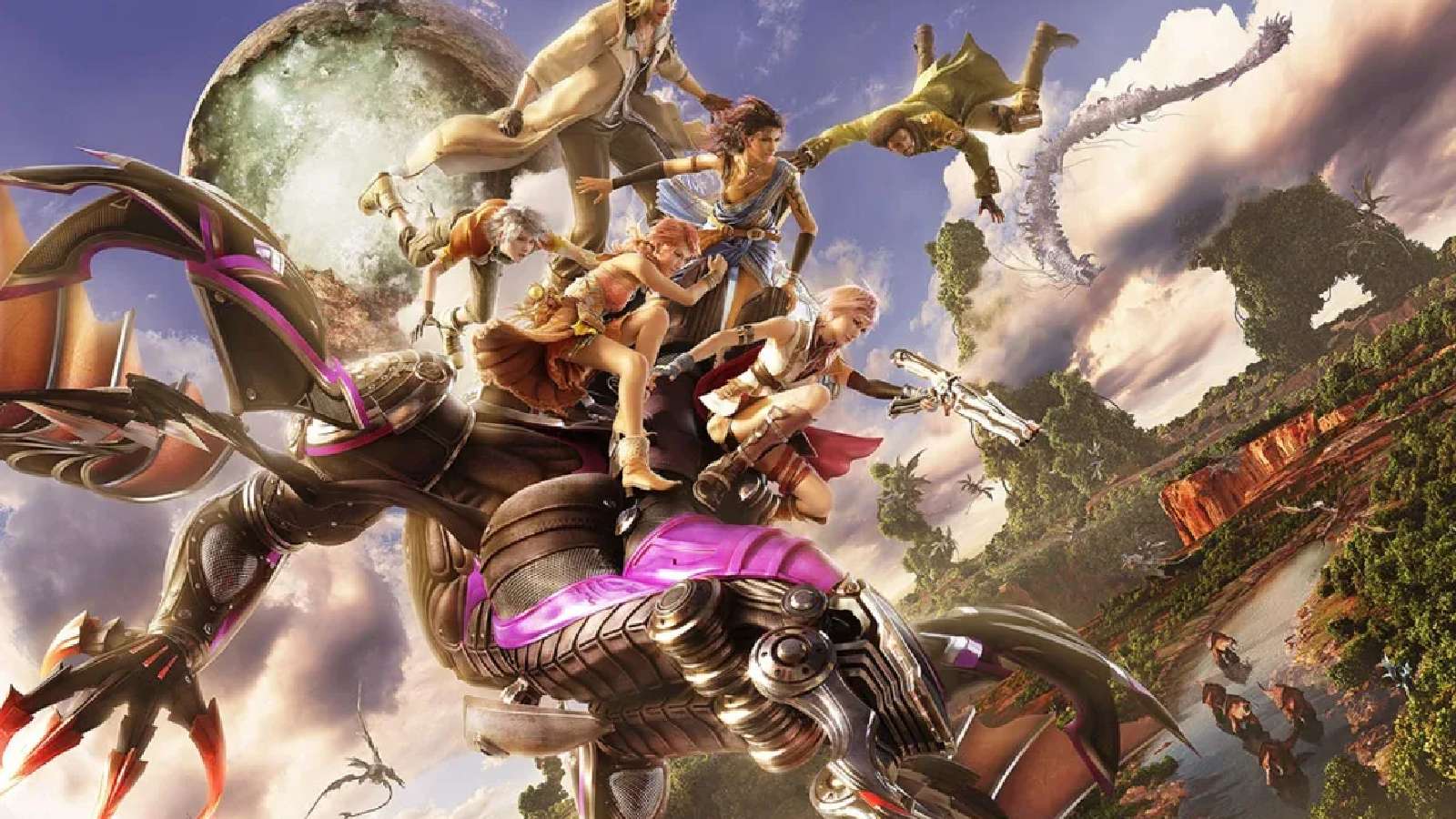
Advanced graphics and higher resolutions quickly became the language for discussing a game’s value, but to create high-definition games, you needed high-definition assets, a problem that could only be solved with raw manpower. This led studios worldwide to begin recruiting artists en masse, collecting the talent necessary to produce the textures, environment art, and other in-game objects that would make their games sufficiently “next-gen”. Consequently, development teams went from being made up of half engineers and half artists to being disproportionately represented by artists. Square Enix during the development of Final Fantasy XIII at one point had six artists for every engineer on the team.

Expansion at that scope and scale is an astronomical expense. This era saw an industry-wide collapse of mid-size studios, for which a single ‘flop’ could spell bankruptcy, and they were either acquired by or their talent was absorbed into corporations. Power and talent became consolidated within the ‘AAA’, a cynical term borrowed from the world of finance to describe the select few publishers rich enough to afford an army of artists and bankroll the high-quality productions the new generation demanded. There was still one problem: building and refining actual game mechanics remained as laborious and time-consuming as ever. Former Naughty Dog artist Gabriel Betancourt described it as games heaving reached a point where “it’s easier to make something prettier than it is to make it fun.”
Unsurprisingly, AAA companies found their solution in the industrial factory. Ubisoft, Capcom, and Electronic Arts were some of the pioneers of this model. Ubisoft had its “lead and associate” studio model, a global pipeline where one team built the core mechanics and up to 10 ‘satellite studios’ fed them art assets and specialised chunks of the game. Capcom, inspired by how big-budget films are made, invested heavily in standardising asset creation across its many teams. Electronic Arts used a core-support model similar to Ubisoft but outsourced work to external studios, delegating mass amounts of character modeling and environment art to talent in developing countries like Vietnam and India. The industry hired on even more artists.

Splitting production between multiple studios meant core studios needed frameworks that could combine assets and code from multiple teams into a single project. The famous ‘Ubisoft Formula’ was created during this period—a constellation of reusable mechanics that Ubisoft could repackage and sell as new games. Most major publishers had their own version of the ‘formula.’ Activision churned out Call of Duty games on a yearly basis that were only different from one another by story and skins. Making robust, polished, and fun foundations for a game still took forever, but at least now you only had to do it once.
The factory model was a resounding success. Video games looked better than ever. The designers making the models and interfaces and composing the music and designing the foley were professionally trained and more skilled than any other time in the industry’s past. Reach and profitability of video games had reached an all-time high, with revenue larger than that of both the film and music industries combined.
Then COVID hit. People were forced to stay at home. With nothing else to do, they started playing more video games and consuming more video game content. Play times rose, watch hours on Twitch exploded, and esports events began pulling in record audiences. To meet the apparent market demand for new games, the industry went on another hiring spree based on growth projections that assumed the lockdown-era surge would be the new normal. The industry hired on even more artists.
But the surge didn’t last. Today, we’re seeing the effects of a market that has reached saturation. A game’s scale or graphical realism is no longer enough to gain a foothold in a market dominated by entrenched franchises. Outside of China, four games take up 45% of all playtime and generate nearly half of all revenue. It now costs hundreds of million dollars to potentially displace a market leader, and nothing but a massive, multi-year hit can save a challenger from potential bankruptcy, as the recent failures of Concord and Highguard have shown. Even successful games can’t afford to keep all of their developers on payroll—Battlefield 6 sold millions of copies and still had to cut staff. The industry is richer than ever, but, paradoxically, this has resulted in less stability for the people who create video games.
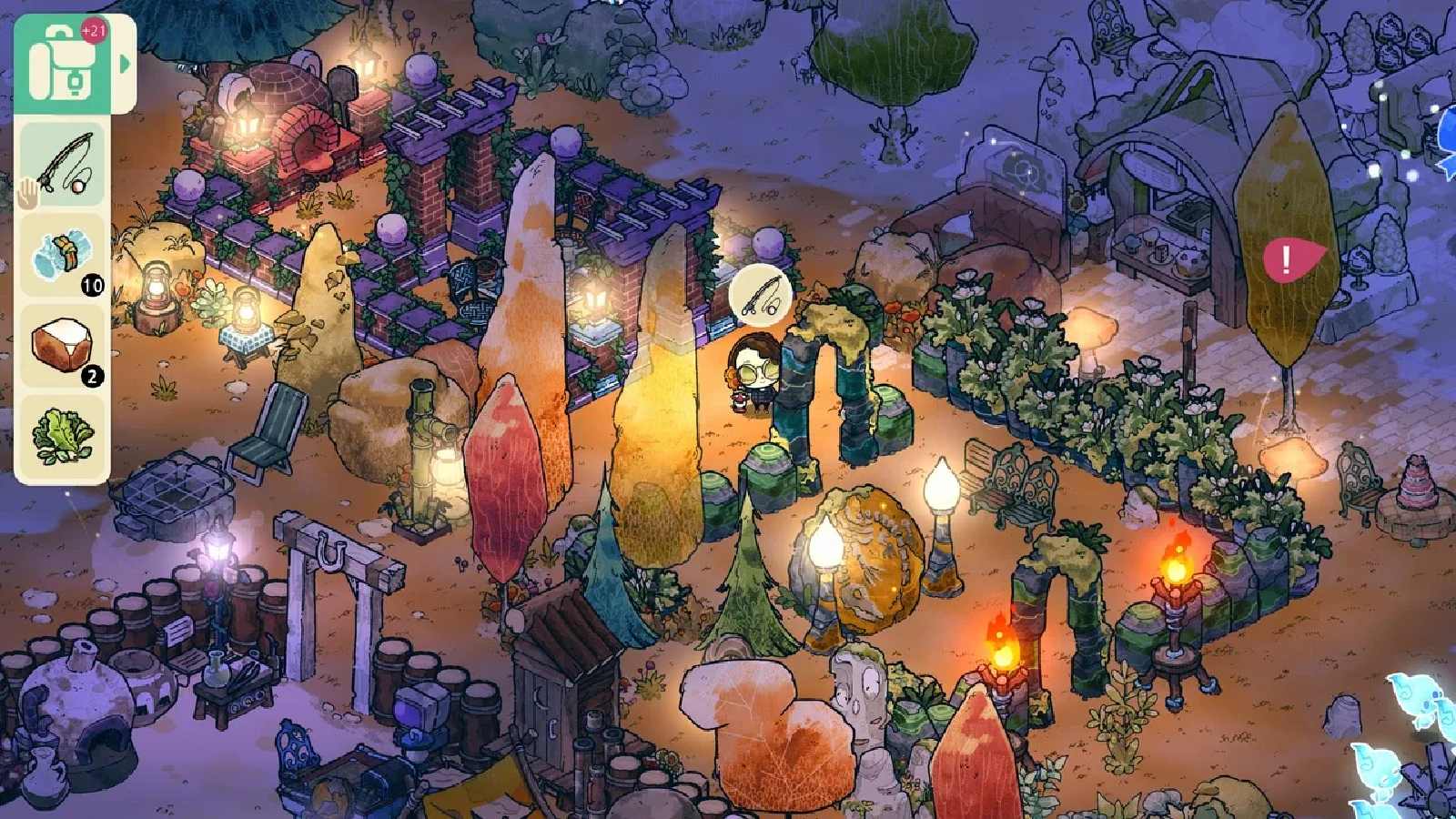
The market has now been flooded by experienced developers, primarily artists, and they’re being snapped up by indie studios that can afford them. This has bolstered the expansion of the prestige indie tier, or iii (pronounced “triple-i”)—independent studios with the talent, production values, and marketing reach to rival AAA. Today, 45% of all game industry professionals work at independent studios, compared to 31% at AAA. Crucially, as independent developers, they are not beholden to stakeholders and can build the games they want to make. Increasingly, we’re seeing the games they want to make are cozy.
‘Cozy’ is an aesthetic more so than it is a category of mechanics. Many Euro Truck Simulator 2 players treat the game as a light distraction or a way to wind down after a hectic day. It is non-competitive, relaxing, and offers only marginal challenge—all features common to many cozy games. But many would hesitate to call Euro Truck Simulator 2 a ‘cozy’ game, because a cozy game is more than just ‘low stakes.’ True coziness is a promise to the senses, not just the skill floor. That is wholly the domain of artists.
Estimates suggest there are 250 to 300 active boutique studios that focus exclusively on cozy games. These studios are overwhelmingly led by people with a background in visual arts, illustration, or design. Data from recent surveys indicates that while 60% of indie studios are headed by programmers, in the cozy niche, that number flips—55–60% are led by artists or designers.
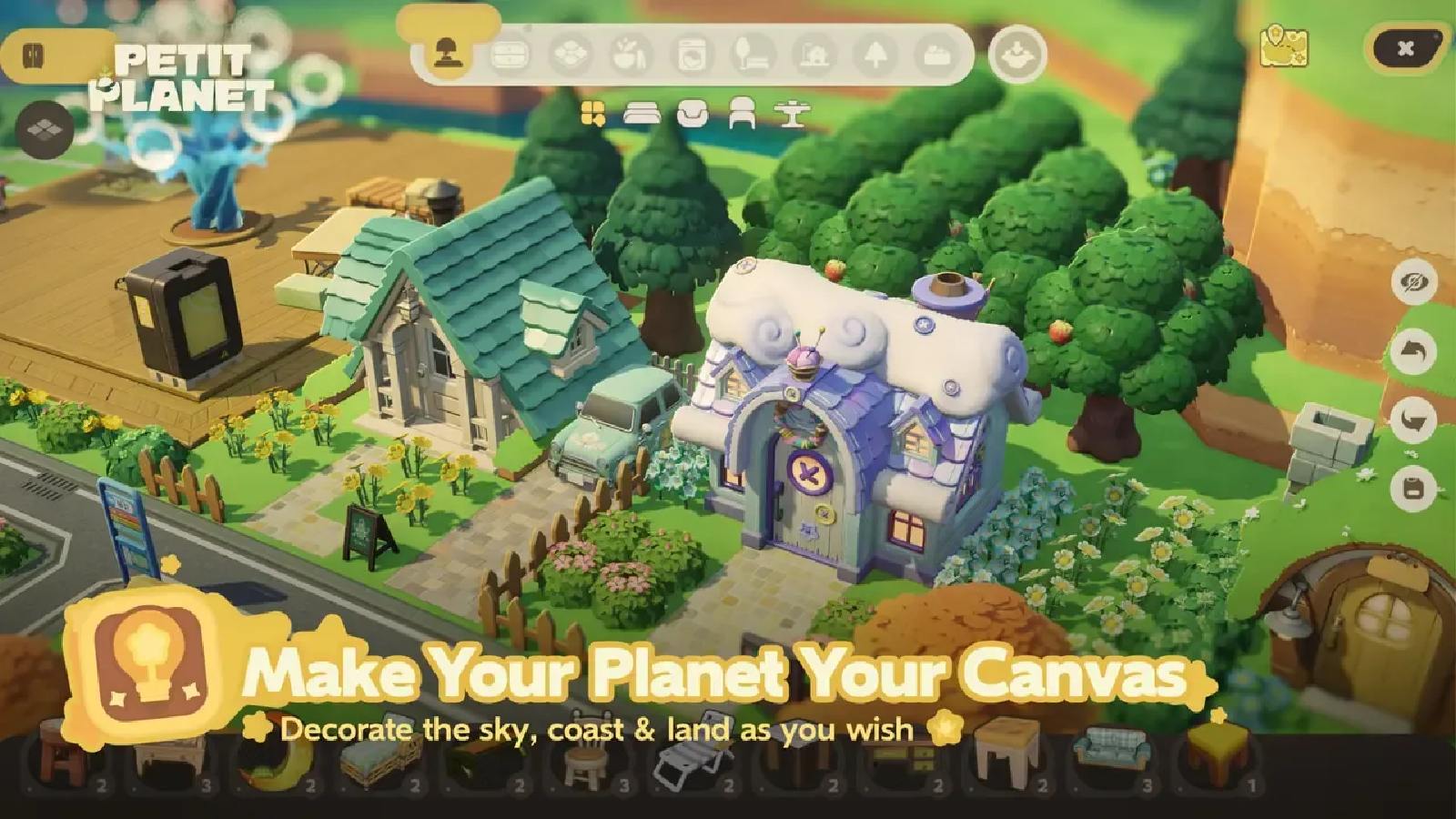
The cozy games market today has an estimated value of $973 million, and it’s projected to reach roughly $1.5 billion by 2032. That’s big money for such a small (right now) sector of the games market, and big companies are beginning to turn their heads. Cozy pioneers, Nintendo, recently released the Pokemon life sim Pokopia to commercial and critical success; Genshin Impact makers miHoYo have a cosmic cozy life sim in the works, Petit Planet; and Hello Kitty’s owners, Sanrio, were so pleased with how Hello Kitty Island Adventures sold on PC and console that it established an internal game dev.
Even developers that are aesthetically as far from cozy as you can get are implementing cozy game modes into their existing products. World of Warcraft recently introduced full-scale player housing, which is essentially an elaborate cozy game within the MMORPGs world where players can focus on designing their homes, gardening, and transmogging. CD Projekt Red has incrementally added various cozy game mechanics to Cyberpunk 2077, including the ability to sit in bars, ride the metro in real-time, and hang out in apartments. As the market (and money) moves into cozy, it’s only healthy to have a level of wariness of where the attention of big publishers could take the genre.
The cozy gaming boom is no coincidence. It is the result of two decades of technical extremism leading to an over-indexing of artists. When AAA productions grew so big they could no longer sustain the people that made them, those artists had to go somewhere. Indie studios became the life rafts for the artists AAA abandoned. Full of talent and free to make whatever types of game they pleased, it’s only natural they would be drawn to one of gaming’s most art-driven genres.