
Is VR Gaming Dead?
Ah, virtual reality. It’s a technology that’s been fantasized about for decades in science fiction, and attempts to incorporate it into video games have been made several times since the 1990s. But, nowadays, is VR gaming dead? Well, to answer that question, we’re going to have to go all the way back to the origins of the market.
The Virtual Boy Was One of the First Precursors to VR in Gaming
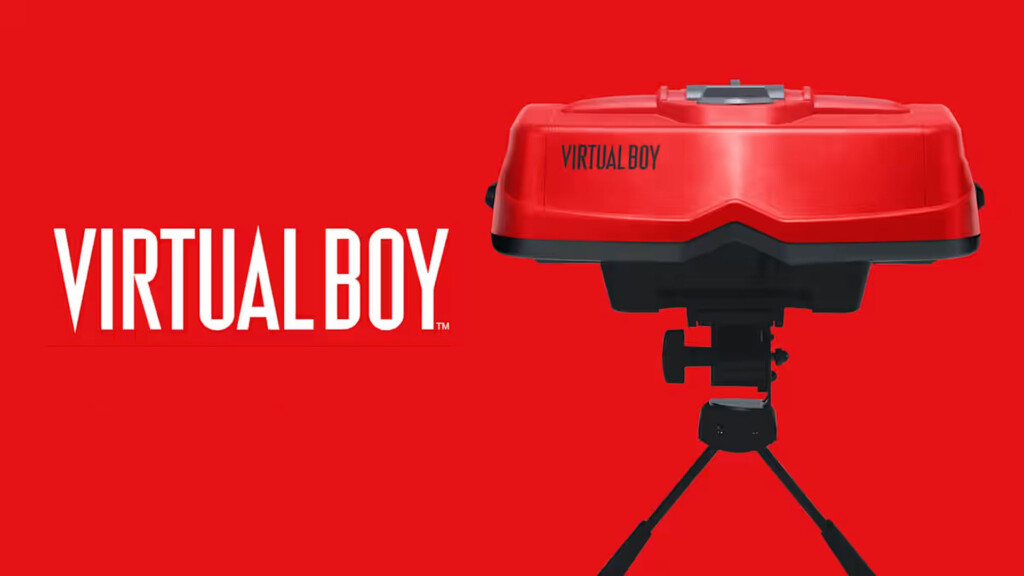
One of the very first precursors to modern VR gaming headsets was Nintendo’s Virtual Boy. Perhaps aiming to capitalize off of the success of the similarly-named Game Boy, this 1995 system was created with glasses-free 3D gaming experiences in mind. The Virtual Boy was supposed to make it feel like you were really inside the video games that you were playing. Indeed, it was a rather novel experience for the time. The problem was, however, that every single game for the console was in red-and-white. Furthermore, out of the few titles that ever released for the ill-fated headset, only a handful of them actually took advantage of the 3D “VR” capabilities of the system.
VR gaming has, of course, come a long way since the release of the Virtual Boy all those years ago, but interestingly, many of the problems that plagued that system are still present to this day, albeit in different forms. The headache-inducing nature of the Virtual Boy is still prevalent in many modern VR headsets, though to a lesser extent. Similarly, there simply aren’t enough VR games on the market that fully take advantage of the capabilities of the headsets that they run on.
Much to the dismay of their enthusiasts, VR games have always been plagued with issues that traditional, flat screen games have never had to deal with. For a brief period during the mid-to-late 2010s, it seemed like VR gaming was finally going to take off like never before. Oculus Rift, the precursor to Meta Quest headsets, launched in 2014; the Valve Index came out alongside the critically-acclaimed Half-Life Alyx in 2019; and Sony put their foot in the ring by releasing the PSVR headset for PS4 in 2016. Fast-forward to 2026, however, and VR gaming still hasn’t received the growth it needs to become a truly mainstream market.
The PSVR2 Hasn’t Done As Well As Sony Had Hoped
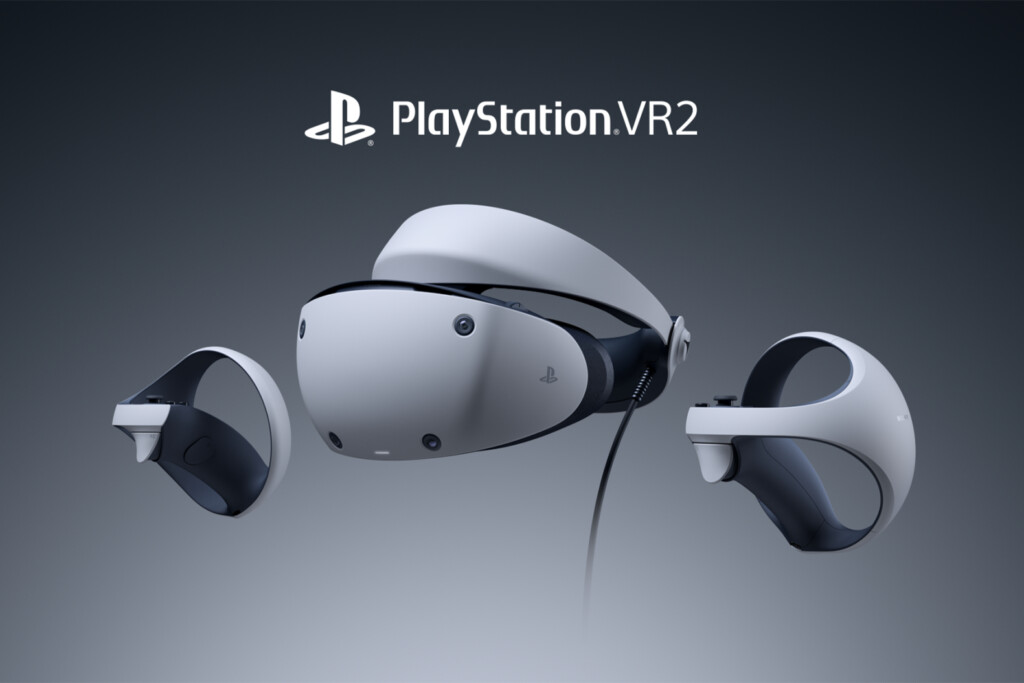
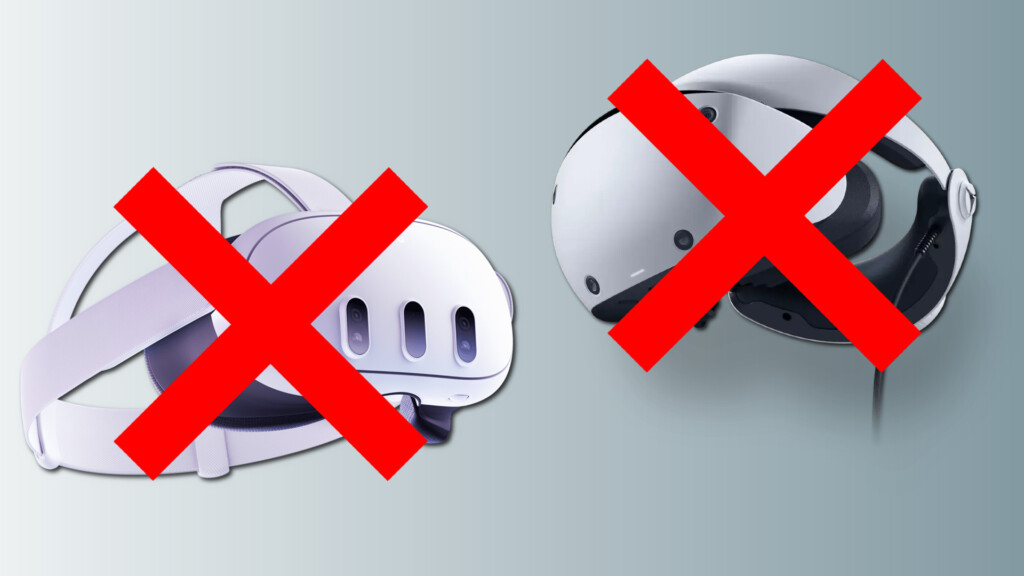
Following the surprise success of the PSVR headset, Sony launched a successor called PlayStation VR2 for PlayStation 5 consoles in 2023. This next-generation device seemed like it was going to be the next big thing for Sony, what with its impressive Sense controllers and 4K OLED panels. And at launch, it didn’t really disappoint. Sure, the amount of launch titles released for the system were pretty slim and the lack of backwards compatibility with the PSVR headset was a bummer, but the PSVR2 was pretty much everything one could ask for out of a VR headset designed for PlayStation.
Despite getting off to a pretty decent start, it didn’t take long for Sony to abandon support for the PSVR2 headset. The device seemingly underperformed commercially, as it only sold around 600,000 units worldwide. The borderline nonexistent support for the system from Sony’s first-party studios may have been partially to blame for this. Sony launched the decent-but-uninventive Horizon: Call of the Mountain alongside the PSVR2’s debut in 2023, and… that’s pretty much all it did. To be fair to Sony, the company did also release a VR mode for Gran Turismo 7, along with an online FPS called Firewall: Ultra, but the former was an existing game for PS4/5 and the latter was a soon-to-be-defunct live service title that barely anyone played.
Meta’s VR Division Has Also Been Underperforming
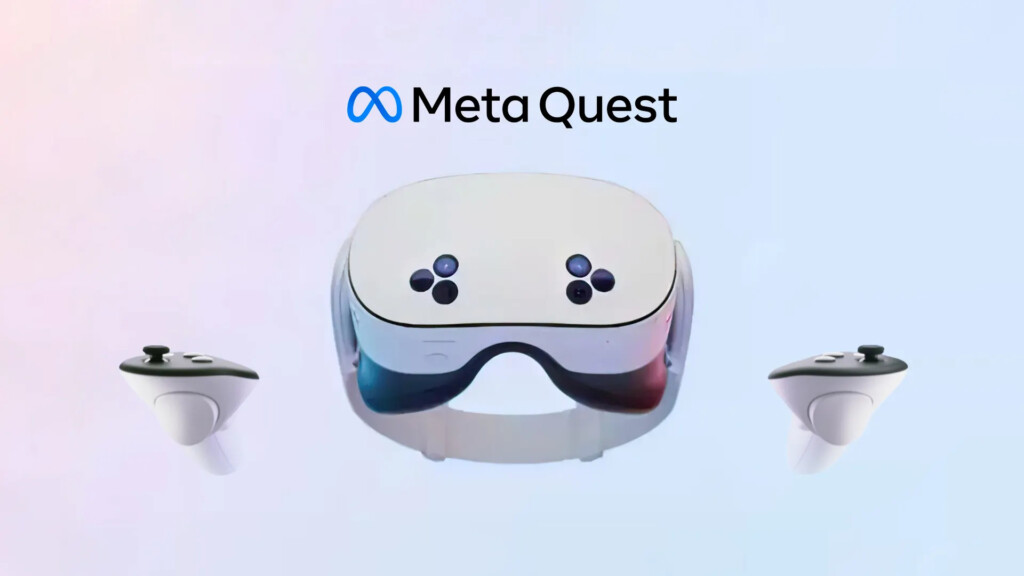
Contrary to what Mark Zuckerberg may tell you, Meta hasn’t been doing all too well with its Meta Quest headsets, either. The corporation has managed to release a considerably larger amount of compelling first-party exclusives compared to firms like Sony or Valve, and its headsets have sold significantly better than the PSVR2, but it has failed to attract mainstream audiences.
In 2023, Meta released the action RPG Asgard’s Wrath 2 for the Meta Quest 2, 3, and Pro headsets. Many critics considered the game one of the most impressive VR games in recent memory, owing in part to its astounding 34-hour runtime and surprising depth. However, the Sanzaru Games-developed title basically flopped. No one really played it, and it barely received any marketing, despite being one of the few, fully-fledged AAA games on the VR market.
Meta shuttered Sanzaru Games, along with fellow VR studios Twisted Pixel and Armature Studio, in January of this year. This followed the company’s closure of Ready at Dawn and Downpour Interactive in 2024 and 2025, respectively. Meta’s desire to accrue funding for AI research and AR wearables were partially to blame for these closures. Evidently, the games that most of its first-party studios were making simply didn’t generate enough revenue to appease the big Zuck.
Valve is Launching a New VR Headset Later This Year
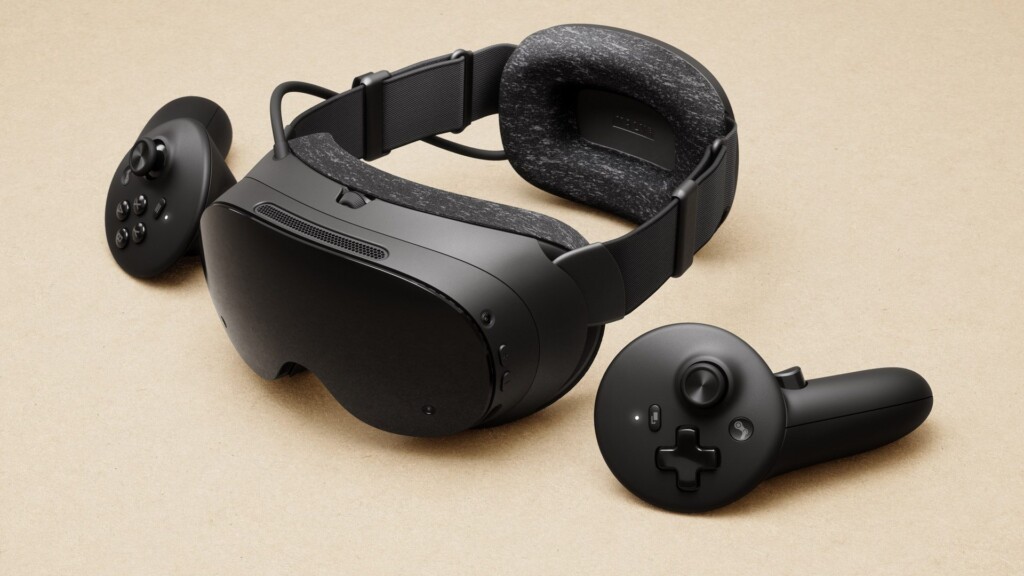
There’s only one other major player in the VR space left to discuss, and that’s Valve. Compared to its competitors, Valve’s future in VR seems a bit more promising now than it did in the past. The company’s Valve Index headset underperformed somewhat, but it is still releasing a new headset dubbed the Steam Frame later this year. It’s unclear whether Valve will have any new first-party software ready in time for the Steam Frame’s launch, but it’s at least still trying to make some inroads into the VR market. Frankly, that alone is commendable in its own right.
VR Gaming Isn’t Dead, But It’s Not Fully Alive, Either
Now that I’ve covered all of the subjects mentioned above, it’s time to answer the question that I started off with: is VR gaming truly dead? The answer, I would say, is no, but it’s not exactly thriving, either. VR gaming is in a limbo of sorts. On the one hand, there are companies like Valve who are still trying to make a dent into this market, but on the other hand, VR gaming as a whole has failed to attract attention from wider audiences. Very few VR games are being made on a AAA budget, and most of the ones that do exist are failing commercially. VR gaming may not be a mere gimmick like motion gaming was during the seventh console generation, but it seems destined to remain a niche hobby for the foreseeable future.