
Every Time the Mortal Kombat Games Reset the Universe
The Mortal Kombat games don’t reset the universe in the traditional sense; instead, history is affected in some way, altering the future. This can be as simple as a kombatant sending back information to his previous self, which causes them to change their actions, which changes history. However, because the actions can be different from the past and also deviate from what was supposed to happen, it can have unexpected consequences. So far, there have been two universe resets in Mortal Kombat, and here are all of them explained.
Mortal Kombat: Armageddon
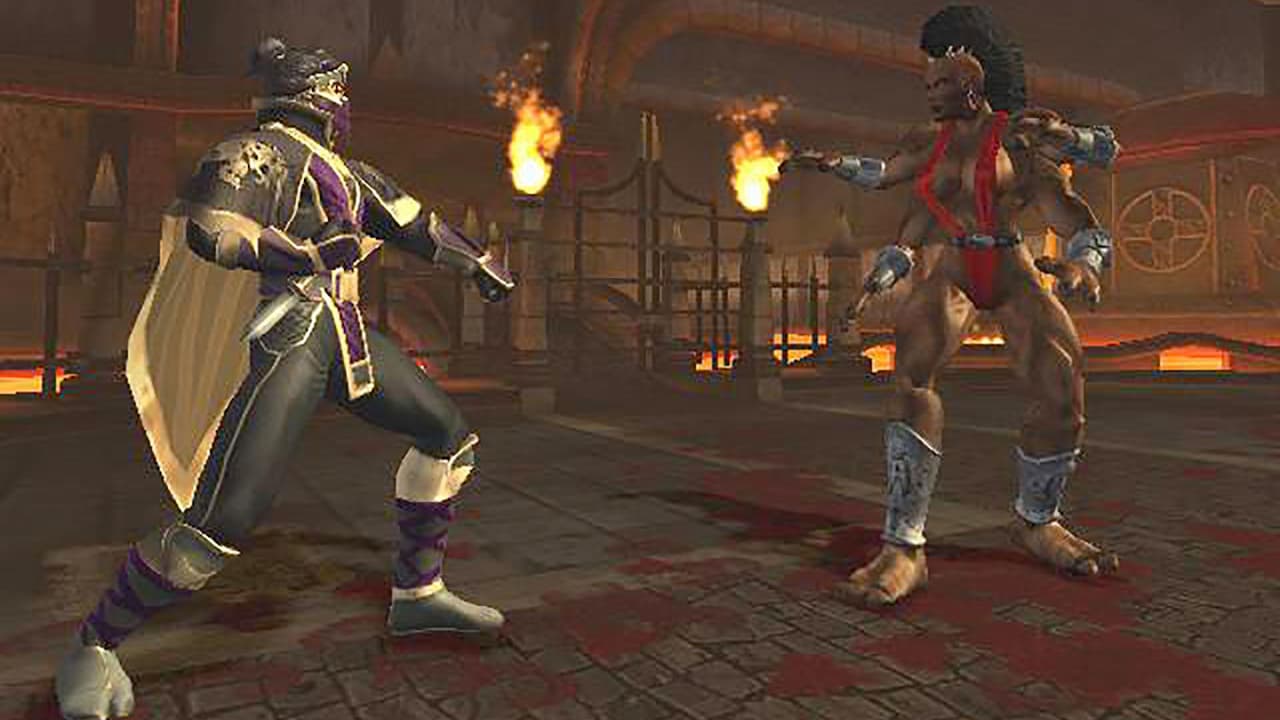
Delia had a vision that the growing number of powerful kombatants would threaten the realm, which led to her husband Argus creating Blaze. The prophecy predicted the danger, while Blaze was meant to fight Argus and Delia’s sons to stop the catastrophe. Blaze’s defeat would give his powers to whoever won. However, things go awry when the kombatants’ battle changes the plan.
The most important fighters are Raiden and Shao Kahn, for one defeats Blaze, and the other tries to send a message back in time to prevent the realms from being destroyed. Shao Kahn is the ultimate winner, who absorbs Blaze’s powers and only has Raiden standing in front of him. Raiden understands that the timeline is doomed, so he sends a message back to his past self.
The message reaches the younger Raiden, and he starts to change his actions, which leads to the future changing. This universe reset starts with Armageddon but continues in Mortal Kombat (2011).
Mortal Kombat (2011)
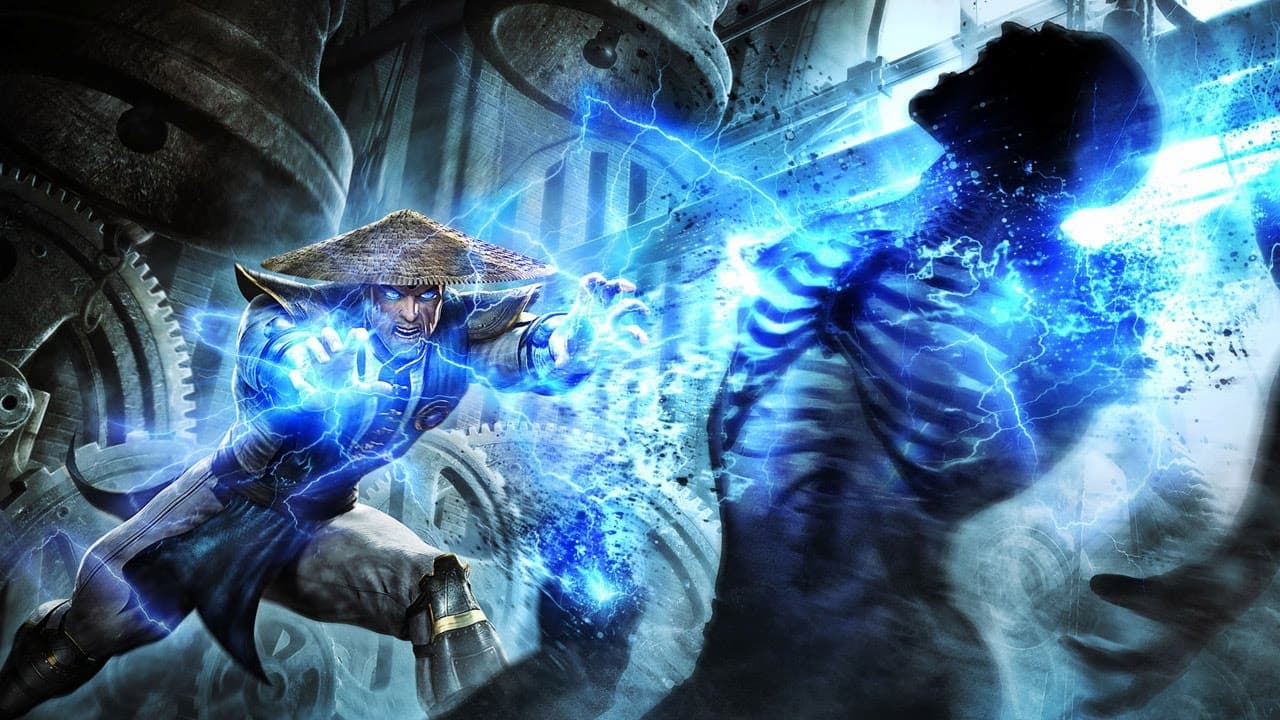
Mortal Kombat (2011) revisits the first three games, but everything has changed. Raiden remembers the warning from his future self, but he is unsure about the meaning of the message. Despite this, he changes his actions to try and prevent Armageddon. The problem is that he assumes Liu Kang is the one who must win the tournaments. This is why he tries to change events to make that happen.
One of the first changes Raiden tries to make is protecting Sub-Zero from Scorpion. He fails, as Quan Chi manipulates Scorpion and Sub-Zero is ultimately killed. However, in this timeline, the original Sub-Zero later transforms into Noob Saibot, deviating from the future. Kung Lao also becomes a key warrior, who is eventually killed by Shao Kahn.
The biggest change is Liu Kang becoming an enemy of Raiden, due to the latter’s actions causing so many deaths. The two eventually fight, and Raiden accidentally kills Liu Kang, which is the biggest change that happens due to future Raiden’s message. However, Raiden ultimately understands that Liu Kang didn’t need to defeat Shao Kahn; instead, Shao Kahn must violate the rules of Mortal Kombat so the Elder Gods can intervene.
This comes to pass; Armageddon is prevented, but there are severe consequences. The future isn’t how future Raiden wanted, and the consequences of the altered timeline continue in Mortal Kombat X and Mortal Kombat 11.
Mortal Kombat 11 / Mortal Kombat: Aftermath
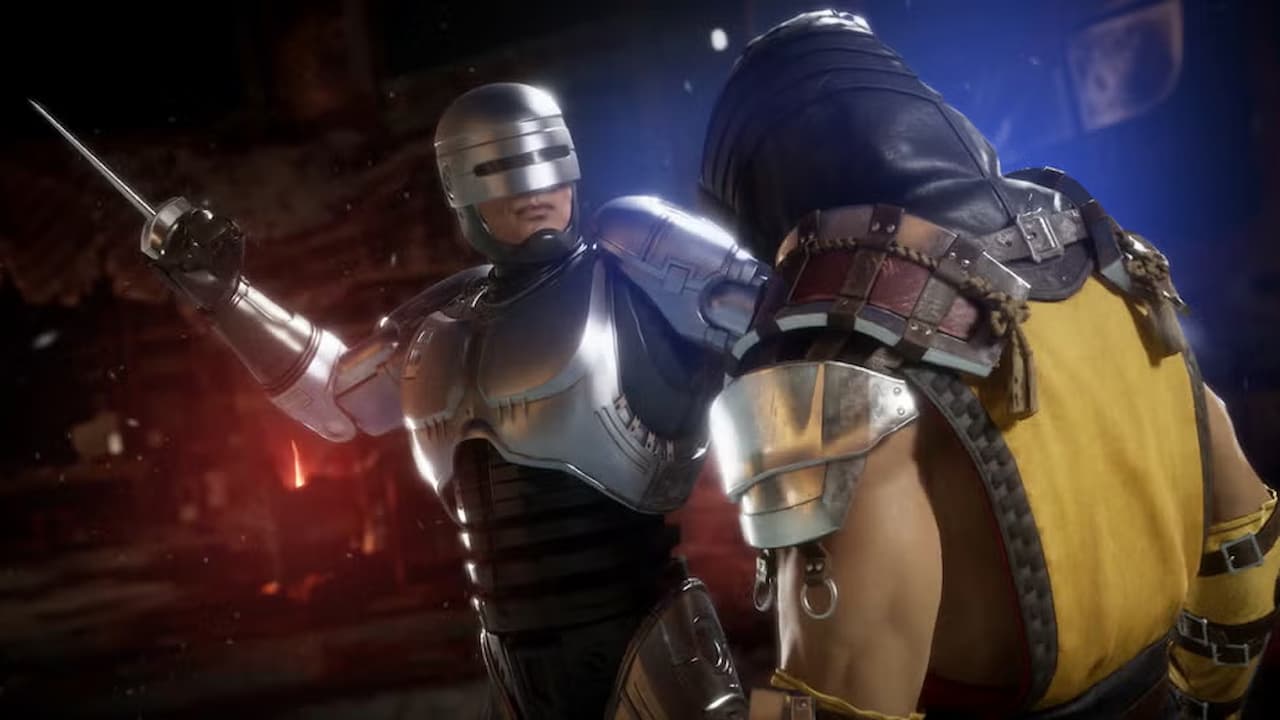
Mortal Kombat 11 already had a lot of time-related shenanigans involved. Many of the classic fighters met their older counterparts, whether it was the revenant Liu Kang meeting the version of him before Raiden betrayed him, or Kung Lao discovering how he died. By the end, the titan Kronika attempted to erase history to create a new timeline.
Fortunately for the good guys, Liu Kang gained control of the hourglass that she used to manipulate time. This turned him into a god-like being, letting him rewrite time itself. The final cutscene suggested that Liu Kang would forge a new era with Kitana using the powers he had just gained.
The game’s Aftermath DLC changes what happens after the base game’s conclusion. Shang Tsung convinces Liu Kang that he needs Kronika’s crown to truly restart history. This gives players the choice of siding with Liu Kang or Shang Tsung, though the canon ending is Liu Kang’s victory. He uses the hourglass to create an entirely new timeline called the New Era.
Mortal Kombat 1
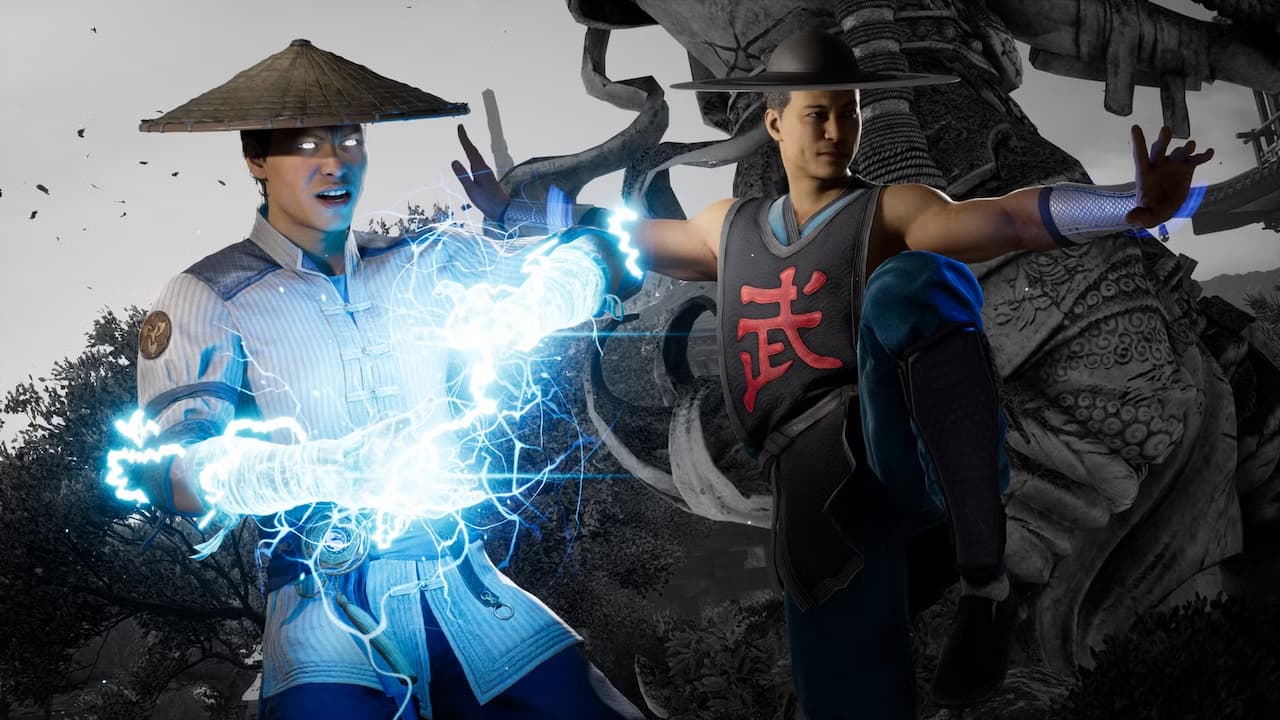
Funnily enough, the newest game in the Mortal Kombat series was the last time fans saw another universe reset. This game took place in Liu Kang’s New Era, where he reshaped history in a way that would ensure that heroes and villains alike would live better lives. This works for a while, but another timeline’s Shang Tsung eventually starts interfering.
It’s discovered that this is the Shang Tsung from the non-canon ending of Mortal Kombat: Aftermath. While this doesn’t necessarily reset the universe, it does mean that there’s now a multiverse from which different variants of known characters can appear. It’s anyone’s guess which universe will serve as the next game’s premise.