
6 Things Majora’s Mask Recycled from Ocarina of Time
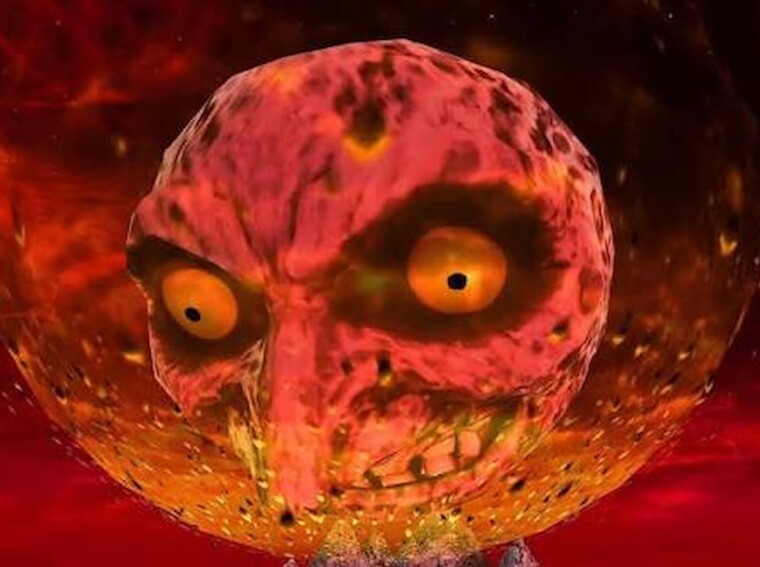
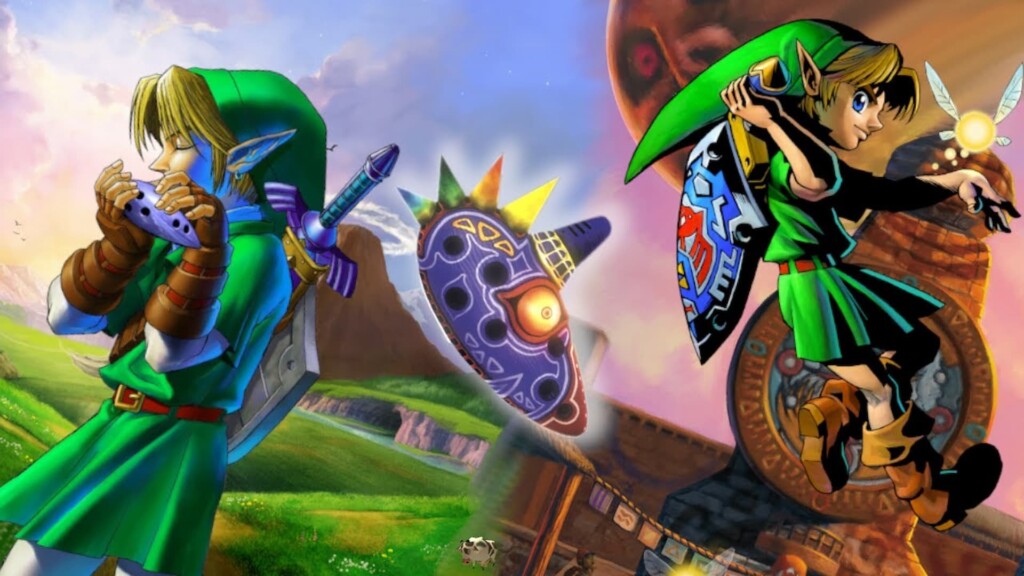
It’s not hidden that Majora’s Mask relied heavily on Ocarina of Time’s assets and 3D character models because the developers were tasked with developing it faster. There are several things in both games that seem eerily similar, despite one being set in Hyrule and the other taking Link to Termina. Here are some in-your-face things in Majora’s Mask that were recycled from Ocarina of Time.
NPC Models
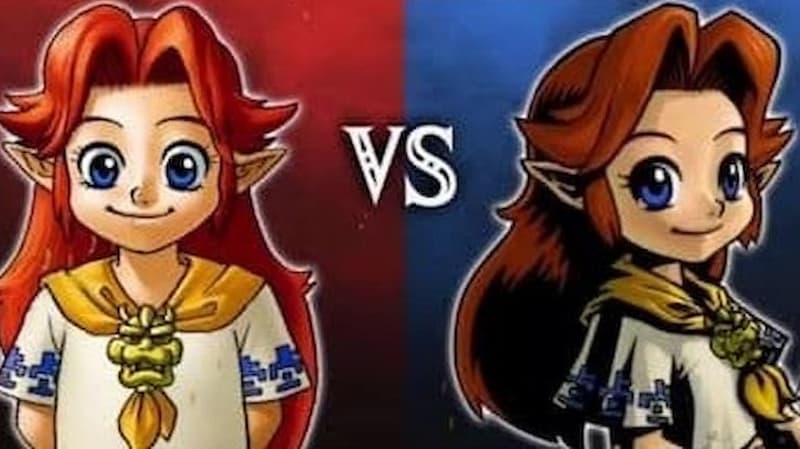
This is a major element that Majora’s Mask recycled from Ocarina of Time. Most of the reused character models weren’t the same NPCs, but their visual resemblance was uncanny. This is also why there are several fan theories about why the NPCs of the two games had different lives, names, and routines, but the same faces and clothes.
For instance, Malon, the daughter of the owner of Lon Lon Ranch in Ocarina of Time, returns as Romani and Cremia in Majora’s Mask. Ingo, the ranch hand, also returned as the Gormon Brothers. These may appear to be less significant recurring characters, but the biggest example is the Happy Mask Salesman.
The Happy Mask Salesman
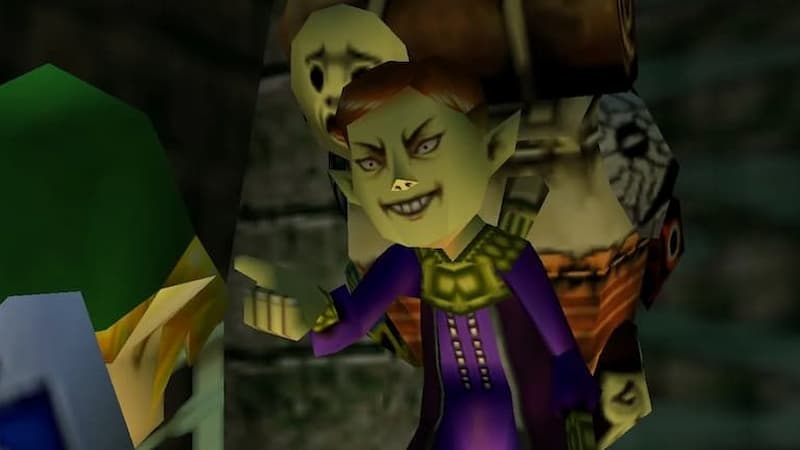
This was a minor character in Ocarina of Time who gives Link a side quest involving selling masks and making people happy. The NPC wasn’t a significant part of the gameplay and wasn’t properly fleshed out. Masks were also useful in some cases but not a major part of gameplay in Ocarina of Time. Majora’s Mask changed this substantially by making the Happy Mask Salesman a major character.
In the sequel, the Skull Kid steals Majora’s Mask from the Happy Salesman. It’s also the Happy Mask Salesman who tasks Link with recovering Majora’s Mask and shows the protagonist how to get transformative masks. The NPC may look the same, but the sequel expands on both his development and mask mechanics.
Enemies and Bosses
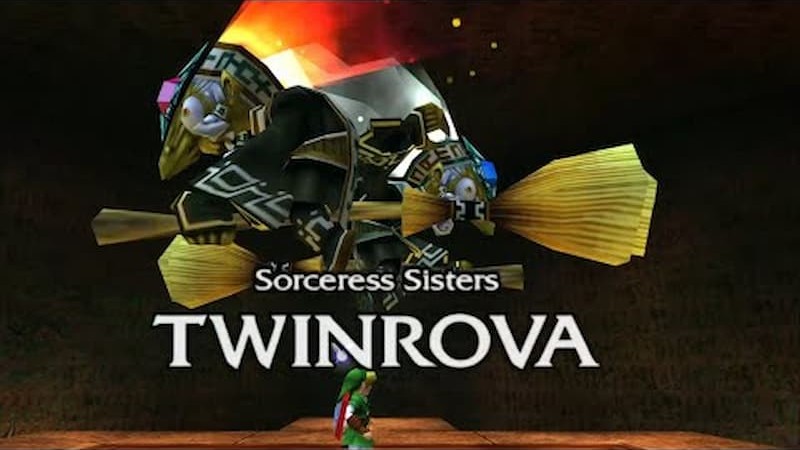
Majora’s Mask has unique bosses, with the main temple bosses and Majora all being substantially different from Ocarina of Time’s. Despite this, there are several reused enemies, mini-bosses, and an Ocarina of Time temple boss also makes an appearance in Majora’s Mask. The most common enemy that you’d see in both games is the bat-like Keese, which flies around and dives to attack. It works and looks the same in both games, and can also use fire and ice effects.
Deku Babas are also a common enemy type in both games, but this one isn’t as surprising. Majora’s Mask spends quite a bit of time on the different races, with you tackling the main temples in different forms. This explains why the Deku Babas would appear in the game. The most notable recycled enemy is Twinrova, the Ocarina of Time Spirit Temple boss, but she doesn’t return as a boss. Twinrova returns as separate witches, Koume and Kotake, who help Link in Majora’s Mask rather than enemies he must fight. This changes the character completely, as they aren’t enemies at all.
Great Fairies and Upgrades
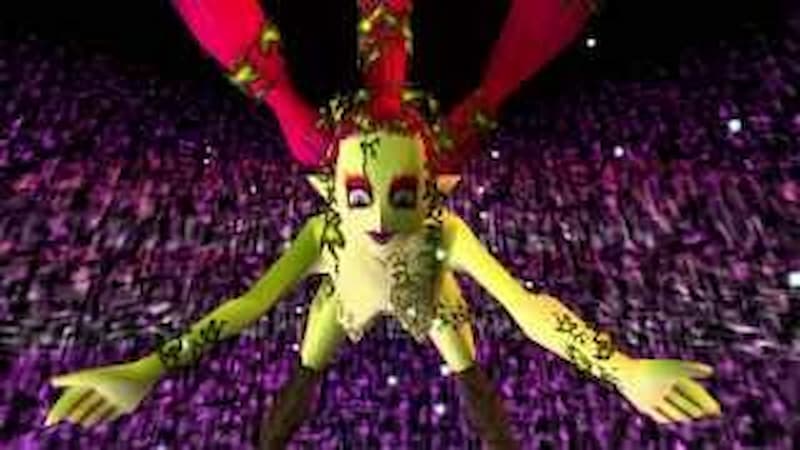
The Great Fairies in Ocarina of Time had a straightforward use: Link could visit their fountain, play Zelda’s Lullaby, and receive an upgrade. This was an important gameplay element, as the upgrades included increased magic, useful spells, and an increase in defense.
Majora’s Mask brings back the Great Fairies, but with a caveat. You have to find Stray Fairies, as the Great Fairies of the world have been broken up by the Skull Kid. This becomes part of the four temples gameplay, as you find the individual fairies there. The rewards are also different from Ocarina of Time, as you get a Great Fairy’s Mask, which helps in locating Stray Fairies, a magic meter, the Great Fairy’s Sword, and defensive upgrades.
Items and Equipment
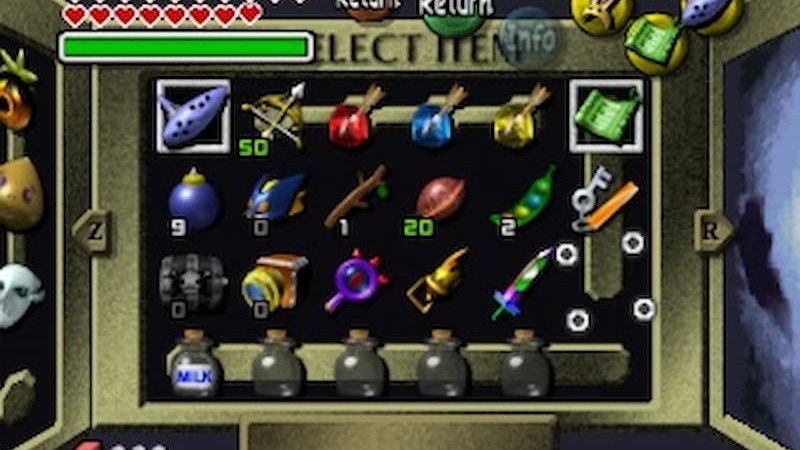
This isn’t a surprising recycled element, as both games have similar mechanics, which explains why Link would use similar items. Ocarina of Time has Hookshot, Lens of Truth, Fairy Bow, Deku Sticks, and more items that Link finds and uses throughout the game. Majora’s Mask brings back many of these items, and most work in the game the same way.
Link finds the bow, which is called the Hero’s Bow in Majora’s Mask, in the first main temple. The Fire, Ice, and Light Arrows are found separately in the other three main temples. The Hookshot and Lens of Truth also make a comeback in Majora’s Mask, with their use being the same as in Ocarina of Time.
Ocarina Songs
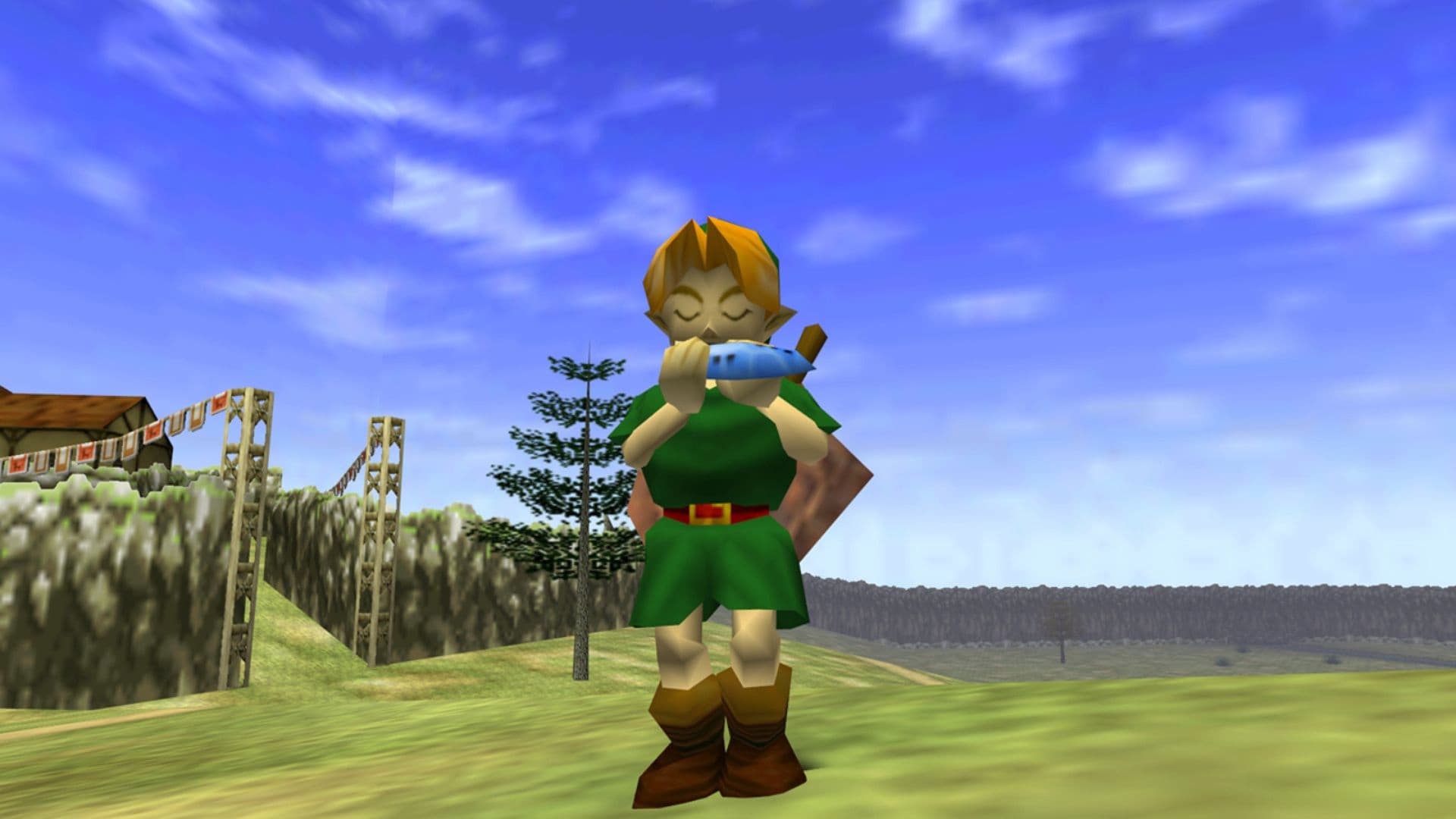
The Ocarina is an important gameplay mechanic in both games, so it isn’t surprising that songs are crucial. However, there are several songs that are recycled from Ocarina of Time in Majora’s Mask. Song of Time may be the most notable, as it was used in Ocarina of Time to open the Door of Time and remove obstacles. Majora’s Mask uses the song to alter time literally. Some versions of it can slow down time or speed it up, and the original resets the loop back to the first day.
Epona returns in Majora’s Mask, and so does the song. You learn Epona’s Song Romani and have to unblock access to Romani Ranch to obtain your steed. Song of Storms can also be learned in Majora’s Mask, with the use largely being the same. Scarecrow’s Song is also recycled, and playing it in both games summons Pierre at certain locations.