

The Mixtape Debate Shows Everything Wrong with Modern Gaming Discourse
Mixtape is a terrible game, but it’s also a really amazing game. At least, that’s what people online have told me.
In the last few weeks, I’ve seen all manner of discussion surrounding the quality of Mixtape, both glaringly positive and scorchingly negative. The game received an unprecedented amount of attention for a title of its size when it launched on PC and modern consoles earlier this month. Maybe this occurred because Mixtape had received so many glowing, 10/10 reviews from critics upon its debut. Or maybe it was just destined to be targeted by internet crowds, regardless, due to its lack of traditional gameplay.
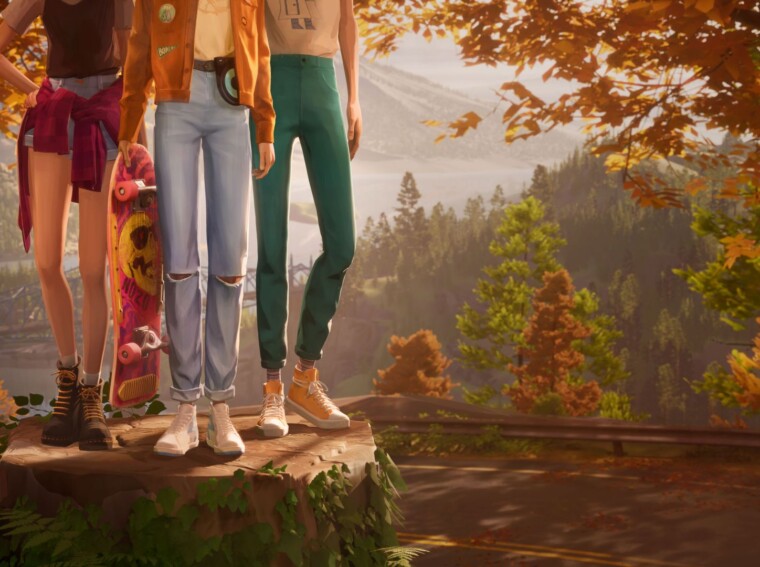
Either way, I’m not here to argue about whether Mixtape is good or not. Honestly, I think both sides of the discussions about Mixtape’s quality are actually quite fair. On the one hand, Mixtape clearly seems to be a loving ode to John Hughes-style coming-of-age movies from the 80s and late 90s. Anyone who’s nostalgic about growing up in that era and is a fan of films in this genre will probably find something to love about Mixtape. On the other hand, I can easily see why Mixtape has been derided by so many people. It seems like a title that’s more style over substance in a lot of ways, and the fact that it has a somewhat divisive story, along with a very short three-hour runtime, is more than enough reason to dislike the game.
The content of the game itself is not what interests me the most about Mixtape. Rather, it’s the unusually toxic discussions surrounding it that have particularly caught my eye, as they embody everything wrong with modern-day gaming discourse.
The Internet Has Changed Gaming Discourse for the Worse
A few days ago, Fallout creator Tim Cain posted an insightful video on his YouTube channel titled “How the Internet Changed Game Design.” In it, Cain argues that a lot of gamers don’t know how to form their own opinions anymore. Instead, he says that they’re handed opinions from online channels that they’re watching.
Cain elaborates on this by claiming that he’s seen reviews that go from “‘this game has less combat and more puzzles. . . for you to interact with than this other game,’ to ‘this game is stupid and slow paced and made for casuals.'” In other words, he’s saying that content creators, many of whom frequently use heated language and exaggerated claims to get their points across, can often decide opinions for a large portion of the gaming community.
Although Tim Cain obviously wasn’t talking about Mixtape here, I think his comments accurately explain why the game has found itself in so much hot water as of late. I don’t have any statistics or hard data to back up my claims, but I’d wager that a lot of the hate the game has received has nothing to do with what it contains, but rather with what content creators online have said about it.
Bold Accusations Have Been Made Against Critics Who Reviewed Mixtape Favourably

On sites like YouTube and X, you’ll find plenty of posts and videos talking about Mixtape and how much of an “industry plant” it is. You’ll also find no shortage of content creators claiming that the game was propped up by “industry shills” who “astroturfed” the game after being bought out by its publisher, Annapurna Interactive. Many of the bold claims made by these content creators have evidently seeped their way into the Steam reviews for this game.
Mixtape has one of the oddest Steam review pages I’ve seen in recent memory. Despite having a very positive 86% rating, almost all of the top reviews for the game are extremely negative. Many of said reviews explicitly talk about how the game has been “astroturfed” and how it’s been backed by “industry privilege,” despite not being high-quality.
Perhaps the oddest claim made in some of these Steam reviews, as well as in some of the videos put out by content creators on YouTube, is that Mixtape is apparently not an indie game, simply because it was published by Annapurna Interactive. Annapurna, for those who don’t know, is a company that was founded by Megan Ellison, the daughter of multibillionaire Larry Ellison. Annapurna Interactive is the video game division of the broader Annapurna firm, which also makes movies and other forms of entertainment.
Yes, Mixtape is an Indie Game
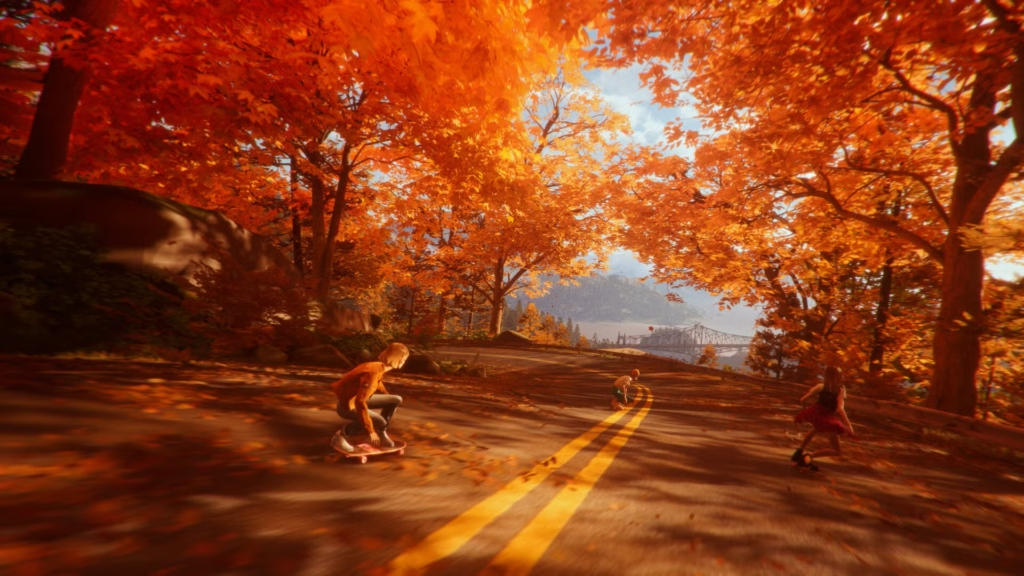
Megan Ellison’s involvement in Mixtape’s development may seem like a smoking gun to some, but in reality, it doesn’t really mean much. Annapurna Interactive isn’t some new kid on the block; it’s been around for several years, and it’s published plenty of high-quality indie games over the last decade or so. Some of the games Annapurna has been involved with include hit titles like What Remains of Edith Finch, Sayonara Wild Hearts, Solar Ash, and Stray, as well as more overlooked games like Wattam, Storyteller, and Wanderstop.
All of these games are indie games; they were developed by small studios, similar in size to Beethoven & Dinosaur (the developer of Mixtape), and they were made on modest budgets. Despite this, not once did I hear anyone bring up Megan Ellison’s involvement with these titles or claim that they are not true indie games because of it. Indeed, it seems like this criticism has only really been levied to Mixtape. Perhaps that’s because saying that a game is overrated is not as eyebrow-raising as claiming that a billionaire’s daughter bribed game journalists to shill for an already-maligned video game.
The gaming industry has no shortage of problems these days, but I think more people need to point out just how disruptive toxic online discourse can be. A game like Mixtape, which has nothing particularly offensive in it, has become the subject of all sorts of crazy conspiracy theories, all because people didn’t like that it got good reviews from critics. Discussions like this are frankly absurd, and the gaming community should avoid being swayed so easily by online content creators in the future.