
Ranking Every Mainline Metal Gear Game
The Metal Gear franchise remained relatively obscure for years until Metal Gear Solid 5 brought it to the mainstream audience. Pair this with Hideo Kojima’s recent rise to fame, and it makes sense that gamers may want to give every mainline Metal Gear game a shot.
While the series itself has all sorts of games from when it was in its experimental stage, there are only nine mainline games. This article ranks all of them from the worst to best based on our personal opinion, even if all of them are great in their own right.
9. Metal Gear
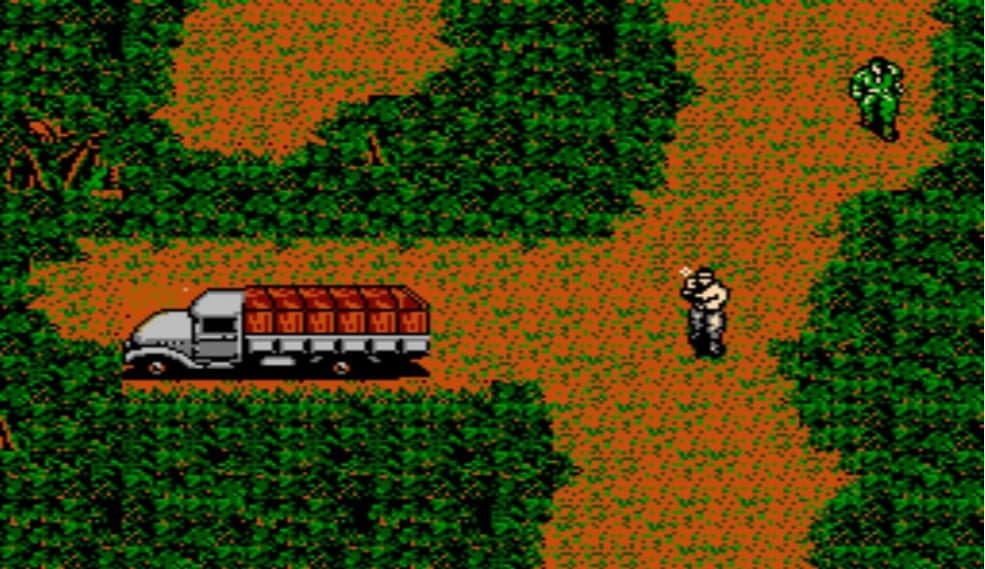
The original Metal Gear was one of the first games to introduce the idea of avoiding guards instead of shooting them, making it an important title. It’s not as enjoyable today with an altered NES port that changes numerous things about the game, like level design, story presentation, bosses, and more. Still, it’s the mainline Metal Gear game to start it all.
Enemies can spot the player constantly, the map loops in confusing ways, and progress depends on whether you remember which keycard opens which door. The game is important, but it hasn’t aged well.
8. Metal Gear 2: Solid Snake
Metal Gear 2 improved many aspects of the first game. It includes vision cones, crawl spaces, radar, and alert phases, and Zanzibar has a more coherent setting than Outer Heaven. The story is more emotional, especially the final half.
It has an outdated design, with hidden solutions that require players to follow a guide or figure it out through trial and error. Despite these weaknesses, it’s the best 2D Metal Gear game.
7. Metal Gear Solid: Peace Walker
Peace Walker is designed for portable play by breaking the game into short missions built around recruiting soldiers for the player’s Mother Base. It’s an enjoyable gameplay loop and is used as the foundation for the mechanics in The Phantom Pain.
The only issue is that it can feel repetitive. Boss fights against huge machines are memorable, but the grind and janky controls hold it back. Most of the story is told through comic panels instead of proper cutscenes.
6 and 5: Metal Gear Solid V: The Definitive Experience
This edition combines the 2014 prologue Ground Zeroes with The Phantom Pain. Ground Zeroes is incredibly short, taking around 2 hours to complete the main mission. It’s also the last mainline Metal Gear game to come out.
The Phantom Pain moves into large open regions and uses the mechanics from Ground Zeroes. Unlike other games, this one feels more like a sandbox where players can choose insertion points, equipment, companions, and routes for every mission. Guards can adapt if the player does the same tactic, so it doesn’t feel repetitive.
One problem is that the game’s second chapter reuses some earlier missions at a greater difficulty, and some planned content, including the unfinished Episode 51, was cut. This made the game’s story feel unfinished compared
4: Metal Gear Solid 4: Guns of the Patriots
The fourth Metal Gear Solid game has players control an aged Solid Snake as he goes through war zones in the Middle East and South America. The Octocamo suit changes its pattern to match many surfaces, and players can purchase weapons, modify them, or take them from enemies.
A big chunk of the game’s runtime is spent on cutscenes and codec conversations, and several story sequences last longer than the gameplay parts around them. The story resolves most of the series’ plotlines.
3: Metal Gear Solid 2: Sons of Liberty
Sons of Liberty starts with players controlling Solid Snake before quickly changing to Raiden during an infiltration of the Big Shell, an oil cleanup facility. Many players disliked having to play as Raiden around the time of the game’s launch but have grown to like it.
The game expands on its predecessor with more accurate guard behavior, first-person aiming, and interactive environments. The way the game talks about digital information and censorship still makes it relevant over 2 decades later.
2: Metal Gear Solid
Metal Gear Solid brought the series to the PlayStation in 3D and introduced voiced dialogue, cinematics, and a proper cast of characters. The entire game takes place on Shadow Moses Island, giving it a focused look throughout.
It includes memorable boss fights like Psycho Mantis, who reads the player’s memory card data, and Sniper Wolf, whom players fight across a snowfield. Although the fixed overhead camera and constant backtracking for keycards haven’t aged the best, the story is still excellent and makes the game worth revisiting.
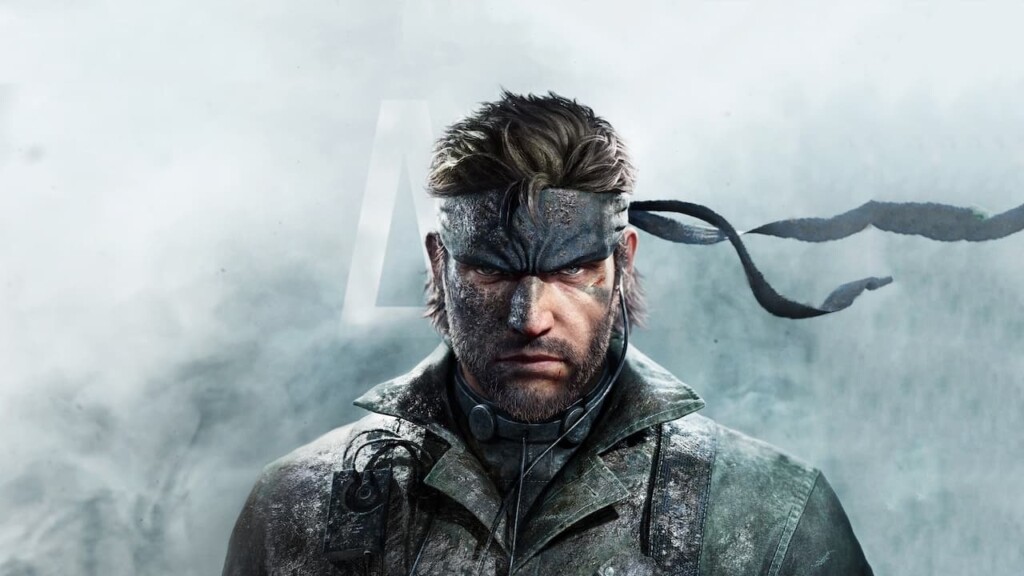
1: Metal Gear Solid 3: Snake Eater
Snake Eater takes place in the jungles, replacing corridors with dense areas with trees and bushes. It also introduces survival systems where the player has to manage stamina, hunt for food, treat injuries, and change their camouflage to match surroundings.
The story revolves around Naked Snake and his mentor, The Boss. It’s the best story in the series with lots of emotional scenes. It features different kinds of boss fights, including a long sniper fight with The End that players can avoid in several ways, so it doesn’t feel too repetitive. Many fans consider Snake Eater the strongest game in the series for its story and well-aged gameplay.